About Slovenia
A pocket-sized country where the Alps, the Mediterranean and the Karst all meet — and a single day can take you from a mountain lake to the sea.
Quick links
Don't want to read all this?
Let us plan your Slovenia trip. Send your dates, interests and group size — we'll plan the itinerary and book every night.



Slovenia is one of Europe’s great underrated destinations — barely two million people, wedged between Italy, Austria, Hungary and Croatia, yet holding more variety than countries ten times its size.
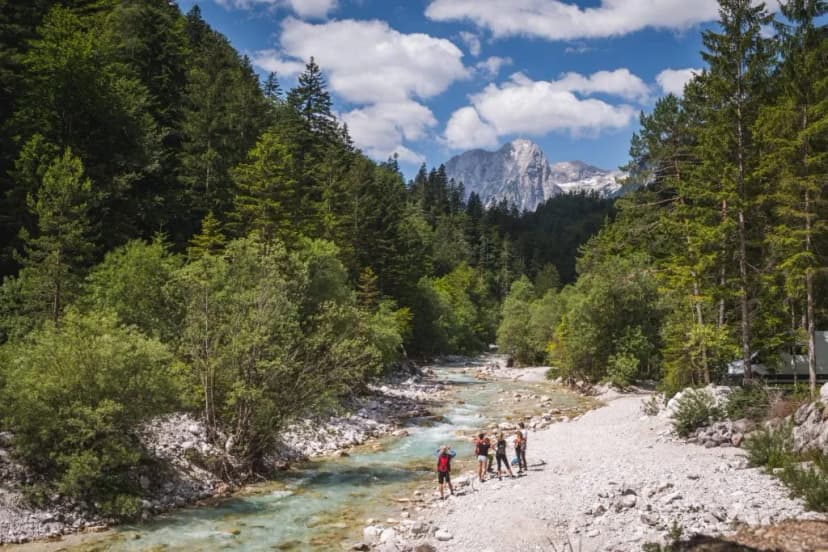
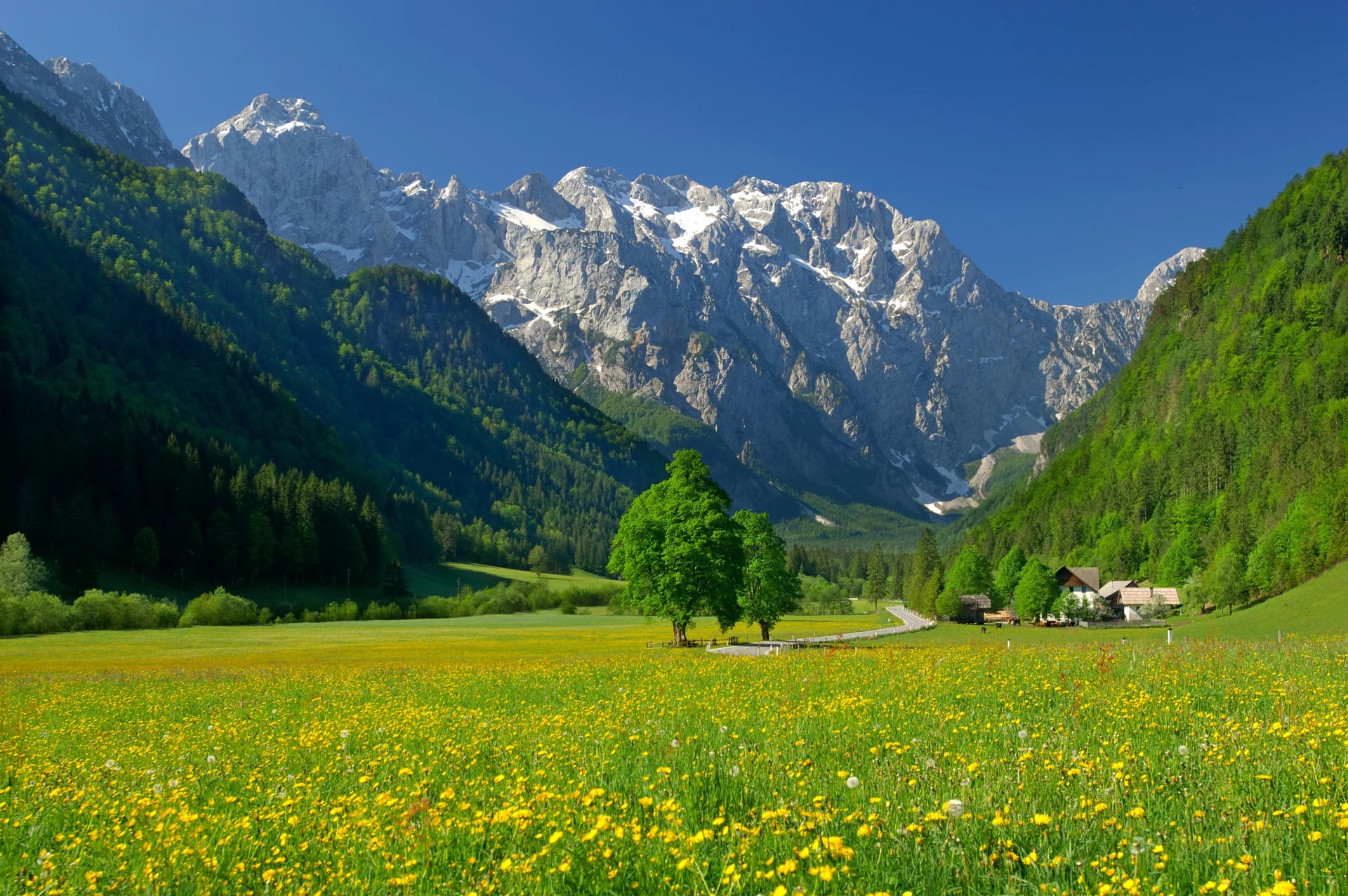
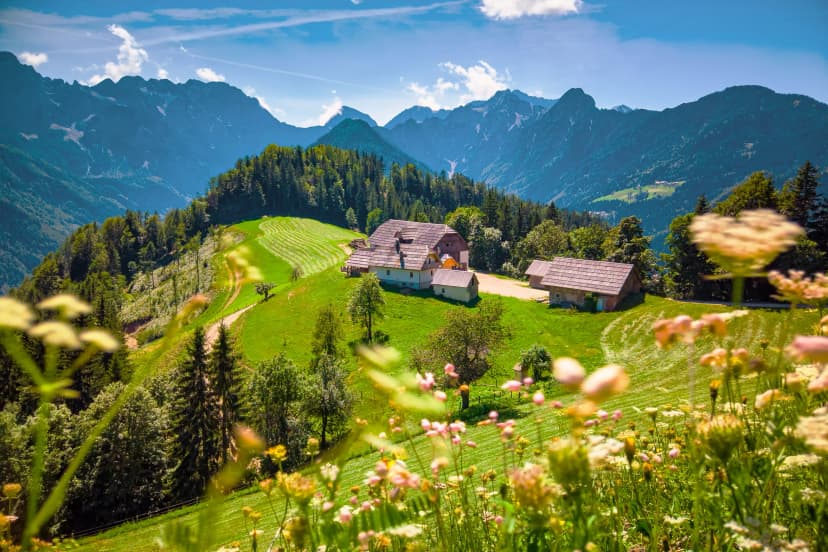
The north rises into the Julian Alps, crowned by Mt Triglav (2,864 m). The southwest tumbles through the limestone Karst to a short, lovely Adriatic coast. The east mellows into the vineyards and thermal spas of the Pannonian plain. And in the middle sits Ljubljana, one of the smallest, greenest capitals on the continent.
Good To Know Before You Go
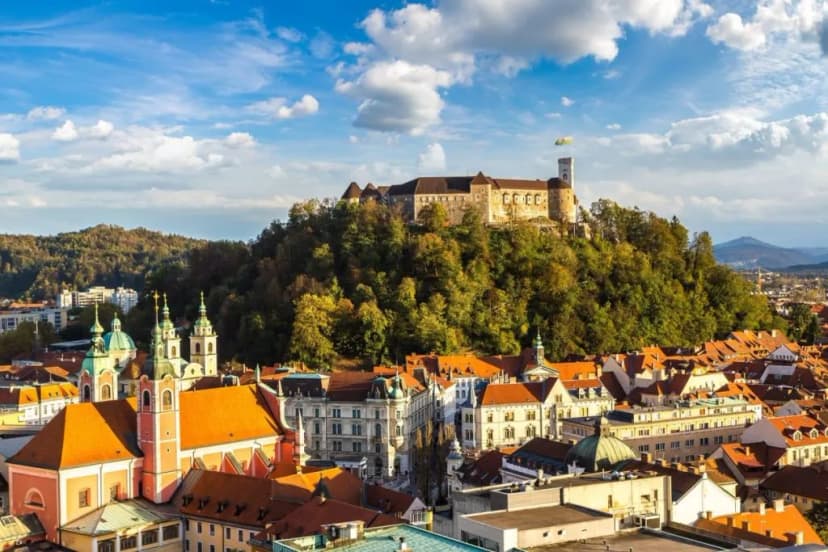
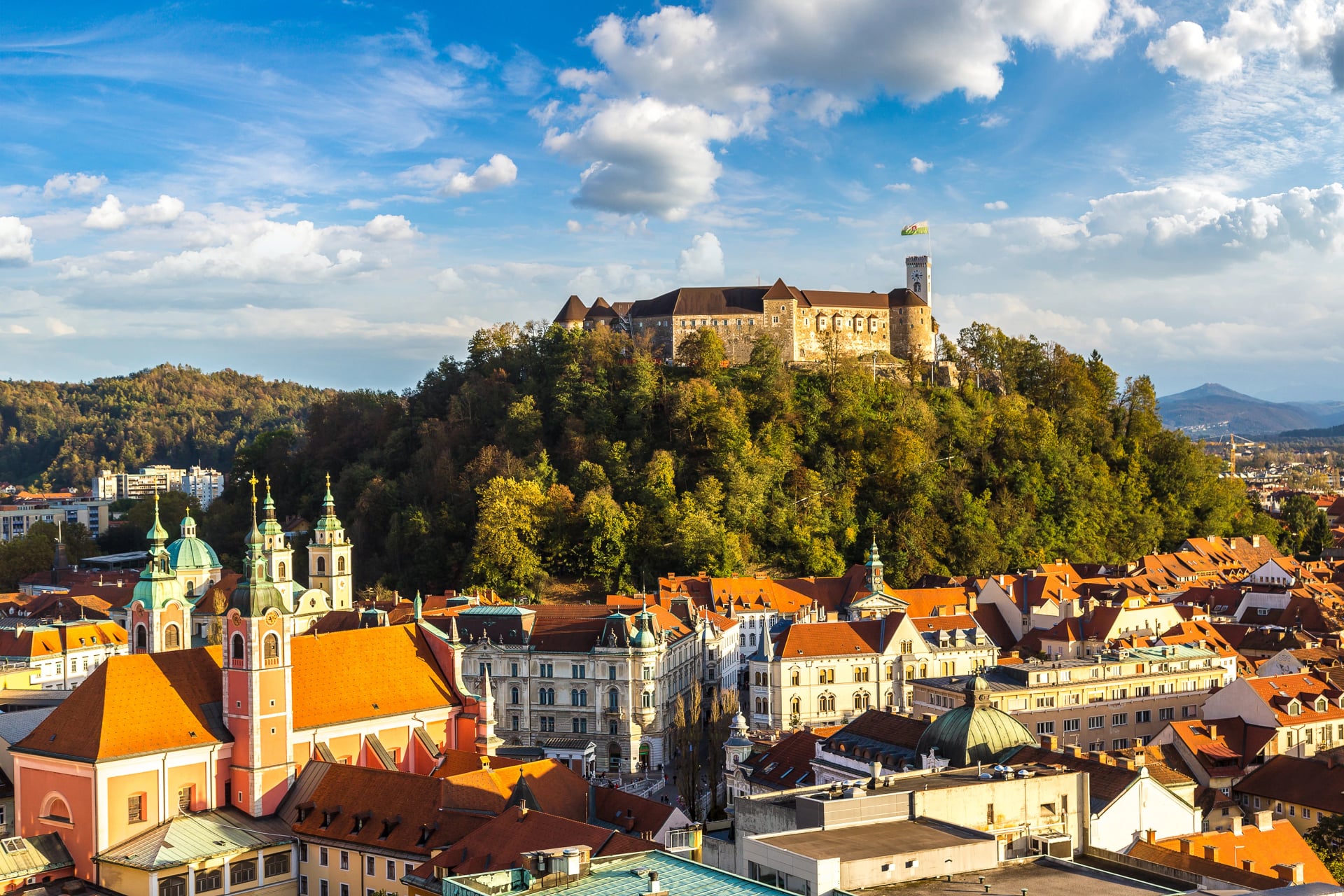
Ljubljana is a small, green capital of about 300,000 — a car-free old town curling along the river beneath a hilltop castle you reach on foot or by funicular.
You can walk it end to end in an afternoon, and it makes the ideal base: most of the country sits within a two-hour drive.
Slovenia is using the euro (€), so there's nothing to change if you're arriving from the Eurozone.
Cards, contactless and phone payments work almost everywhere, even for a coffee. Still, keep a little cash for rural cafés, farm stays, market stalls and mountain huts.
Slovene is the official language, but English is widely and confidently spoken — especially by younger people and anyone in tourism. German and Italian help near those borders. A warm 'Dober dan' (hello) and 'Hvala' (thank you) always go a long way.
For such a small country, Slovenia is beautifully connected — regular, cheap trains and buses link Ljubljana with the coast, the Alps and the main towns, and nothing is more than about two hours away.
Public transport covers the hubs well; a car or a private driver is what unlocks the gorges, villages and viewpoints the timetables skip.
Slovenia is the 4th safest country in the world according to the Global Peace Index of 2026 — serious crime is rare, city streets feel calm even late at night, and solo and family travelers are equally at ease.
The only real caution is fast-changing mountain weather, so check the forecast before you head high.
May to September is the sweet spot — warm days, green valleys, and every lake and trail open. July and August are busiest and best for swimming; late spring and September bring the same scenery with fewer people.
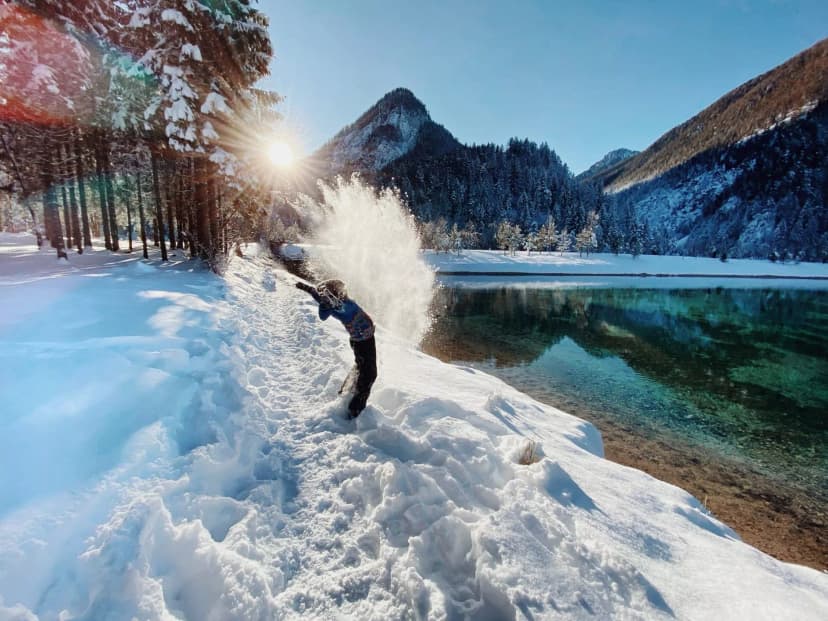
Winter is for Alpine skiing and Ljubljana's magical Christmas market.
Tipping is appreciated but never expected. In restaurants, rounding up or leaving about 10% for good service is the norm.
For guides and drivers a tip is a genuine thank-you rather than an obligation — leave whatever felt right for the day.
For decades it flew under the radar — part of Yugoslavia until 1991, in the EU since 2004, and only lately discovered. That late arrival is part of the charm: more than half the country is forest, a third is protected, and the outdoors is a national obsession.
What ties it all together is how close everything is — barely two hours from the Alps to the Adriatic, on excellent roads. This guide covers the must-see places, the best time to come, how to get here, and the easiest way to see it all.
Places You Have to Visit
1. Lake Bled
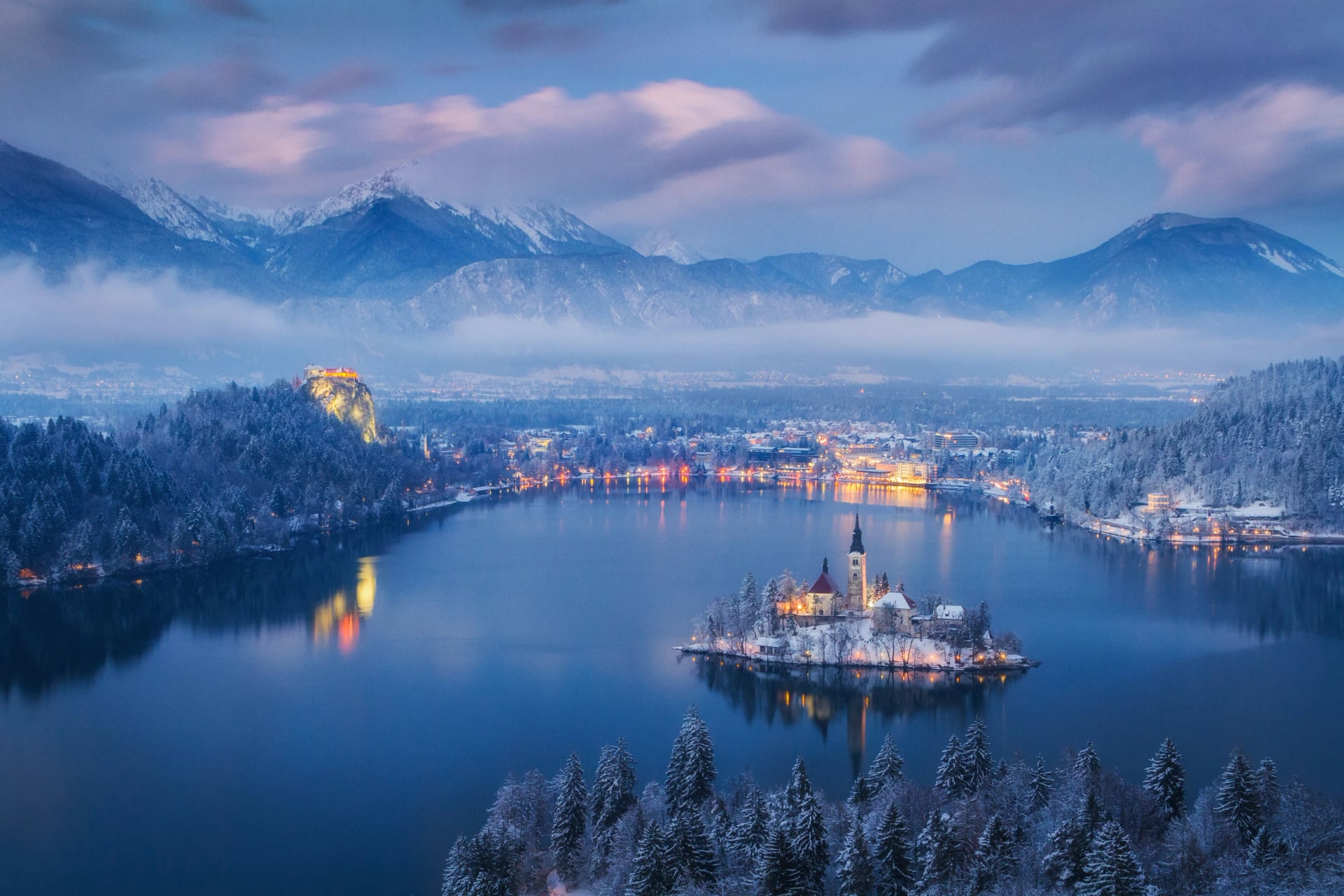
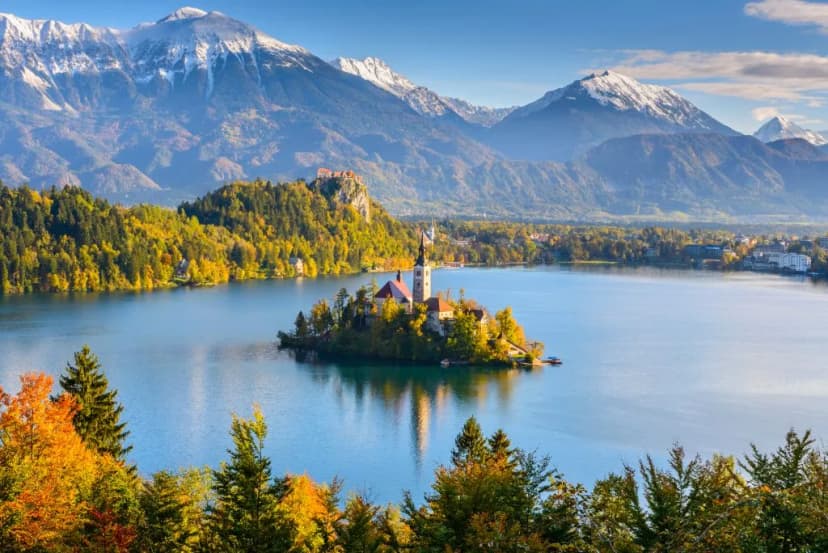
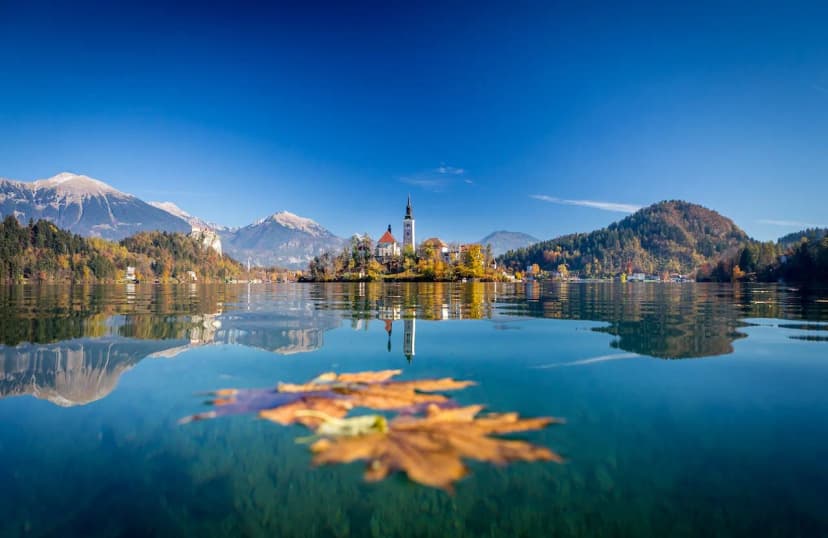
Everyone has seen the photo of Lake Bled — island church, clifftop castle, Alps behind. The surprise is how much it gives once you stop chasing that one view.
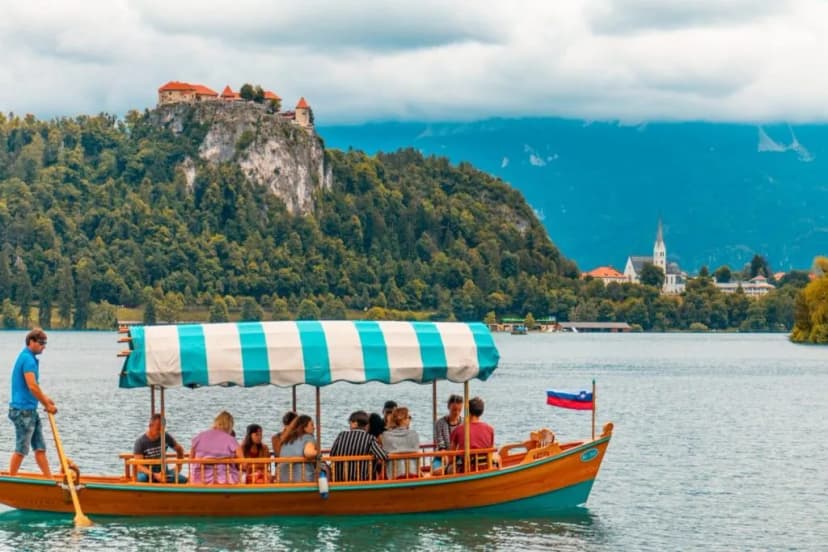
Ring the wishing bell on the island (reached by hand-rowed pletna), climb the 99 steps to an 11th-century church, then swap the shoreline crowds for the Mala Osojnica trail, where the whole scene falls into place beneath you.
Best Things to See
Timing is everything: come early, or in spring and autumn, and the buses aren’t there yet. Autumn gilds the water; a hard winter can freeze it solid.
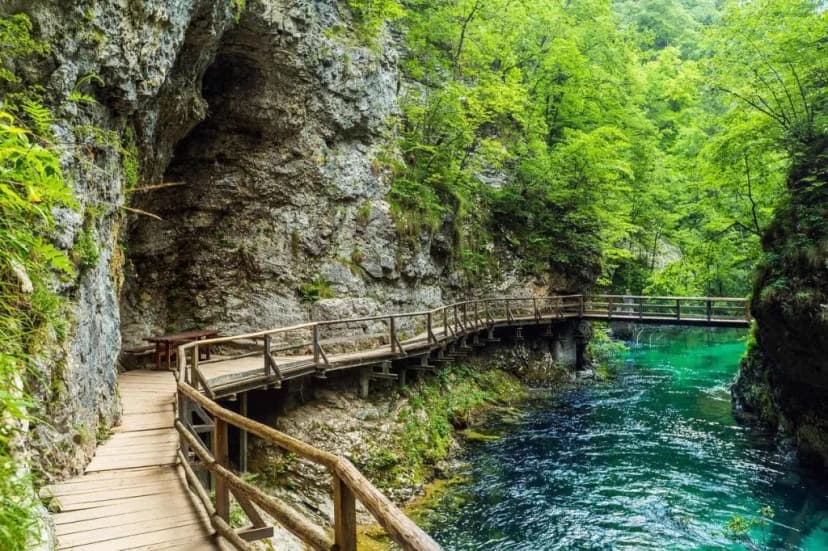
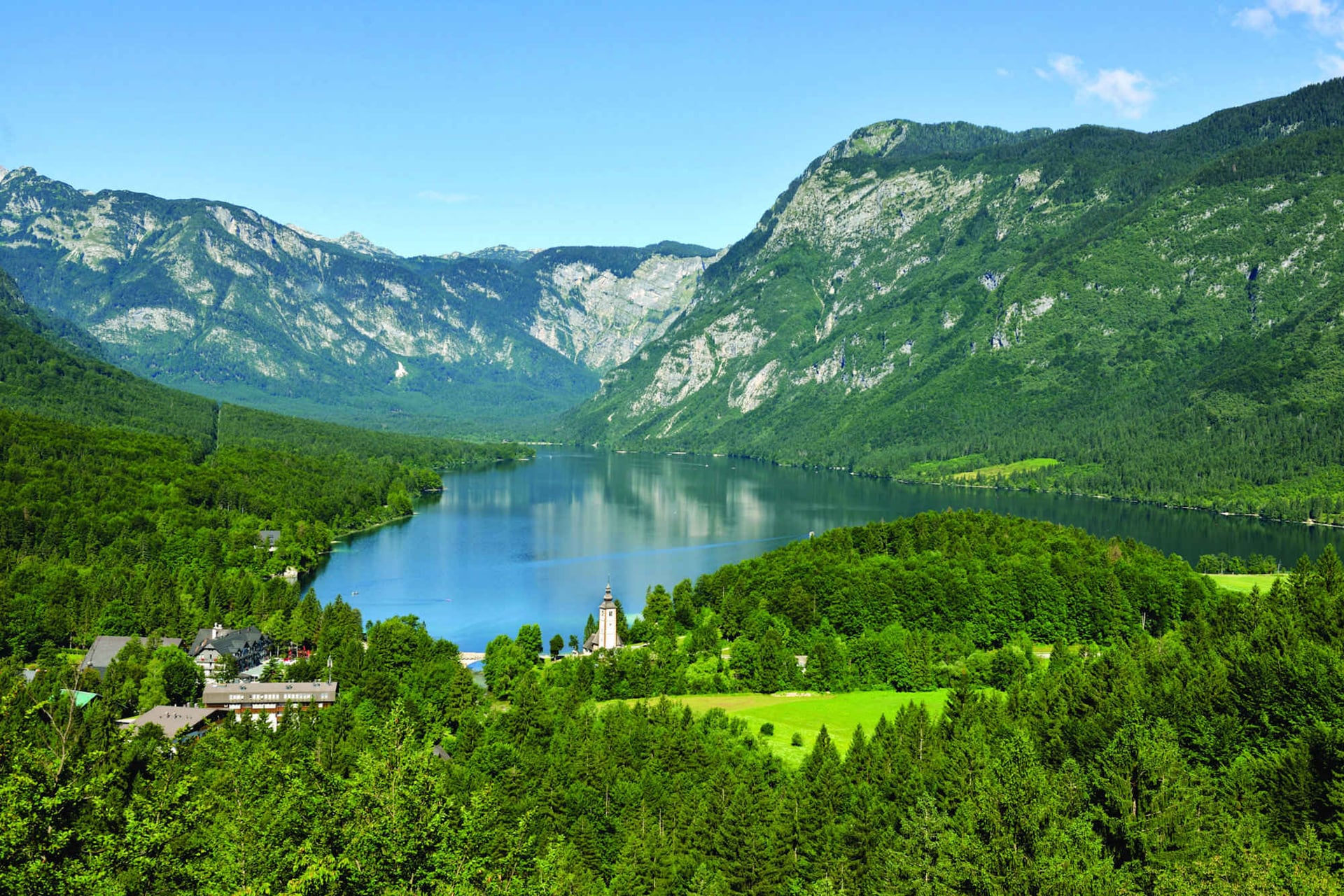
With more time, pair it with quieter Lake Bohinj or the boardwalks of the Vintgar Gorge nearby. And don’t leave without the kremšnita — the cream cake was invented in this very town.
See it all on a private Bled day tour:
2. Ljubljana
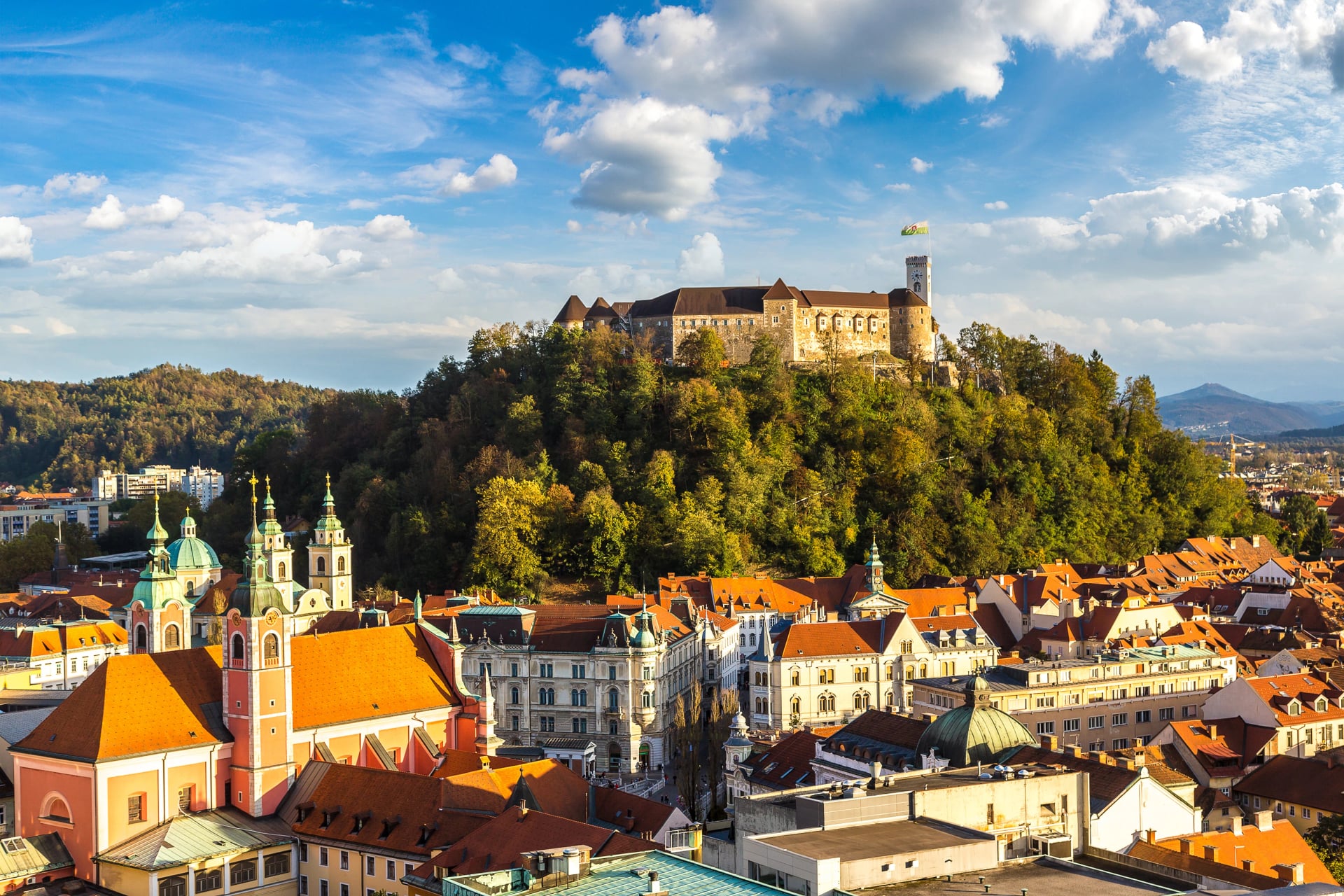
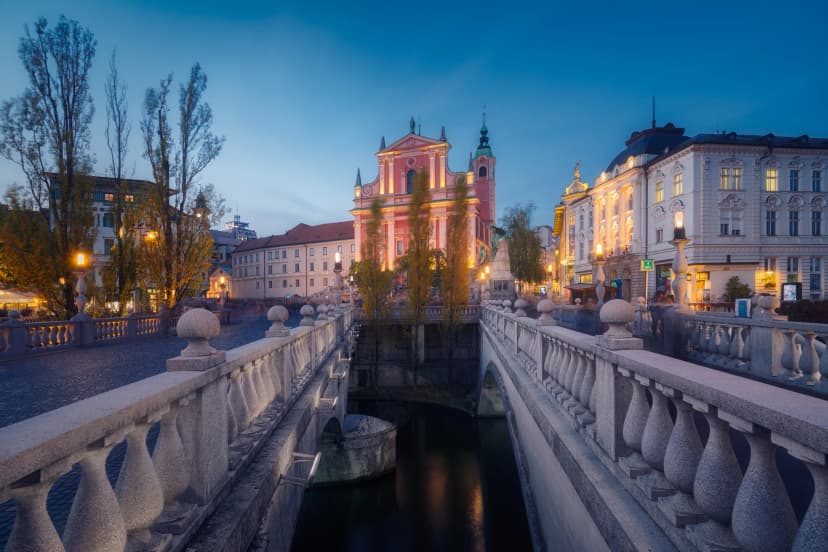
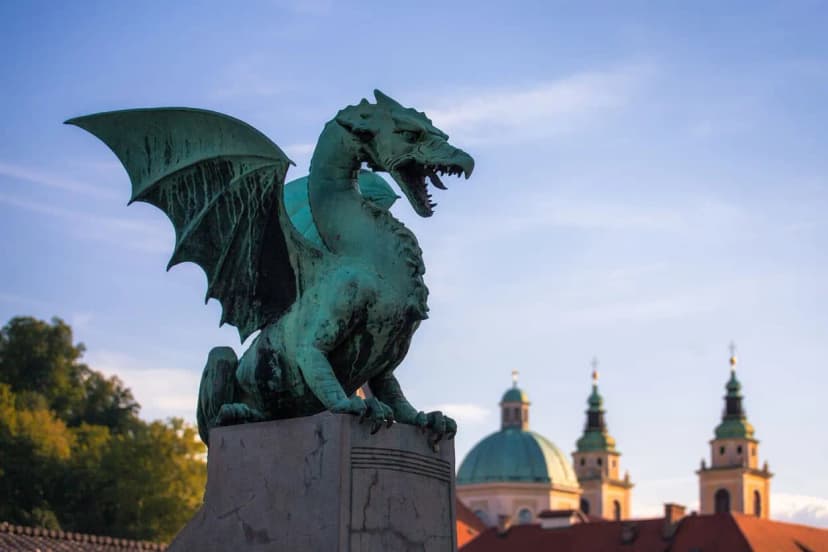
Give the capital a day and it quietly wins you over: a car-free old town of dragon bridges, market stalls and riverside cafés, small enough to feel like a regular by dinner. See it on a private day in Ljubljana.
Ride the funicular to the castle, browse Plečnik’s market colonnade, and stay for a drink by the river as the lights come on. Best in spring, autumn, and the run-up to Christmas.
Best Things to See
Explore it with a local on the Ljubljana tour:
3. Piran & the Coast
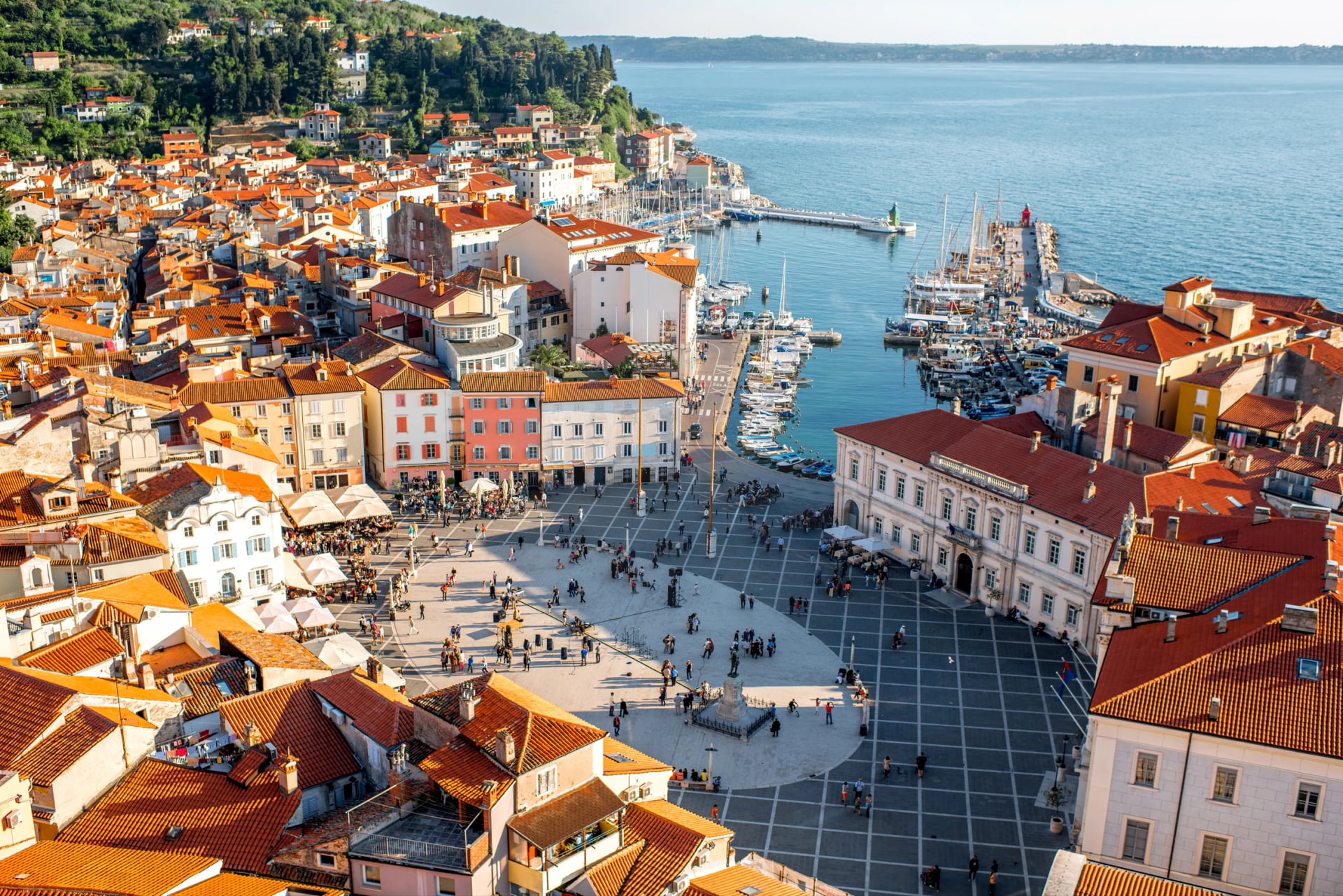
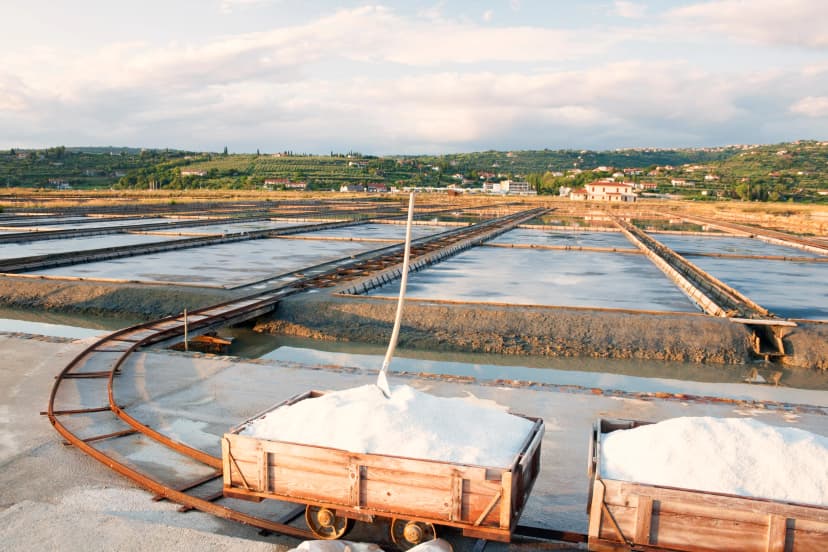
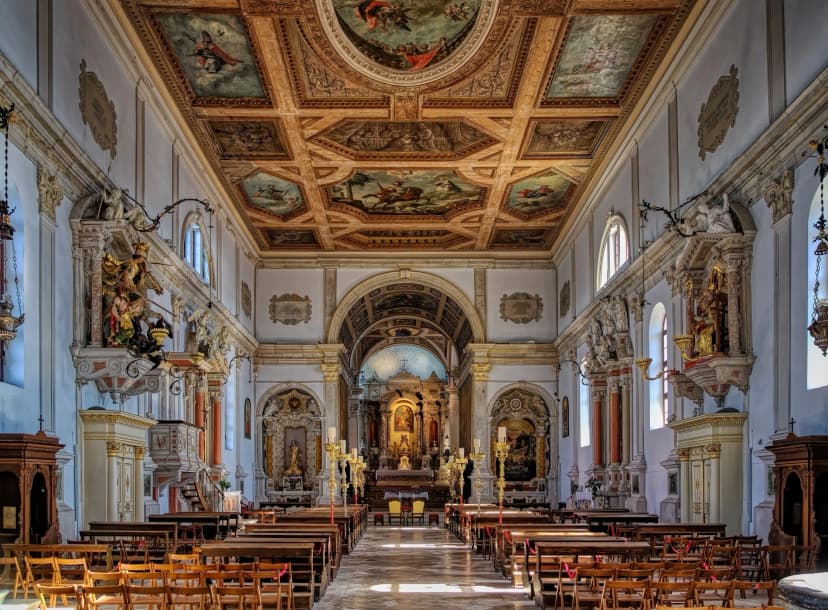
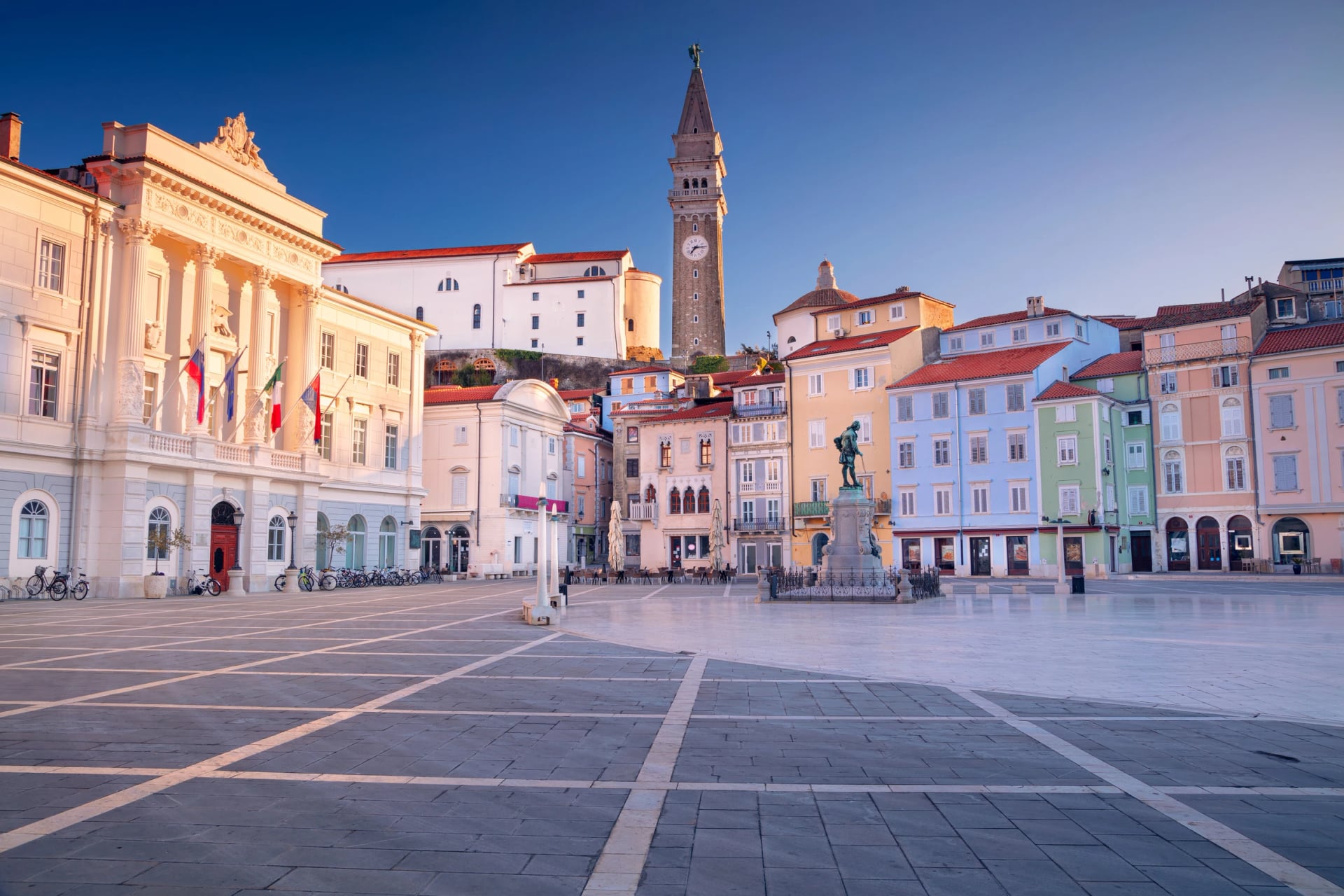
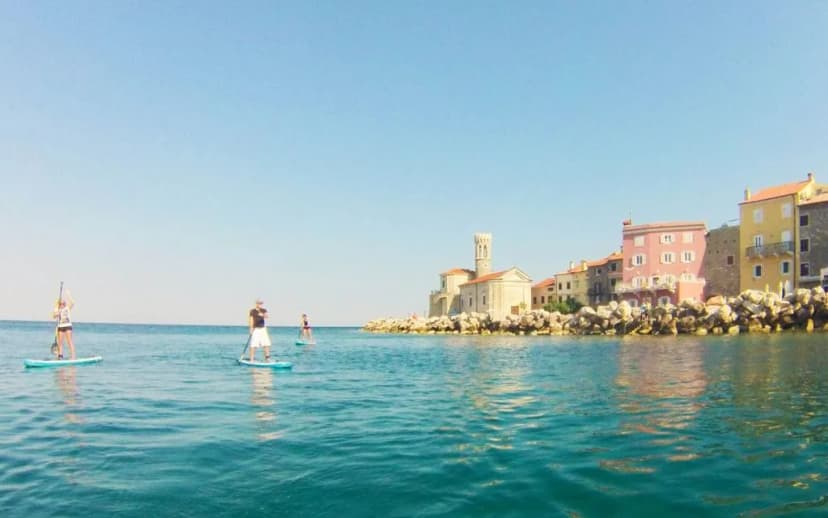
This is Slovenia’s sunniest, slowest corner, and locals agree on one thing: skip August. Come in late spring or September, when the sea’s warm but the piazza can breathe.
Beyond Piran, the little ports of Izola and Koper reward a wander, and Portorož brings the resort buzz. Grab a table for the sunset, and let lunch run long.
Ready for the sea breeze? Our coastal day awaits:
4. The Julian Alps
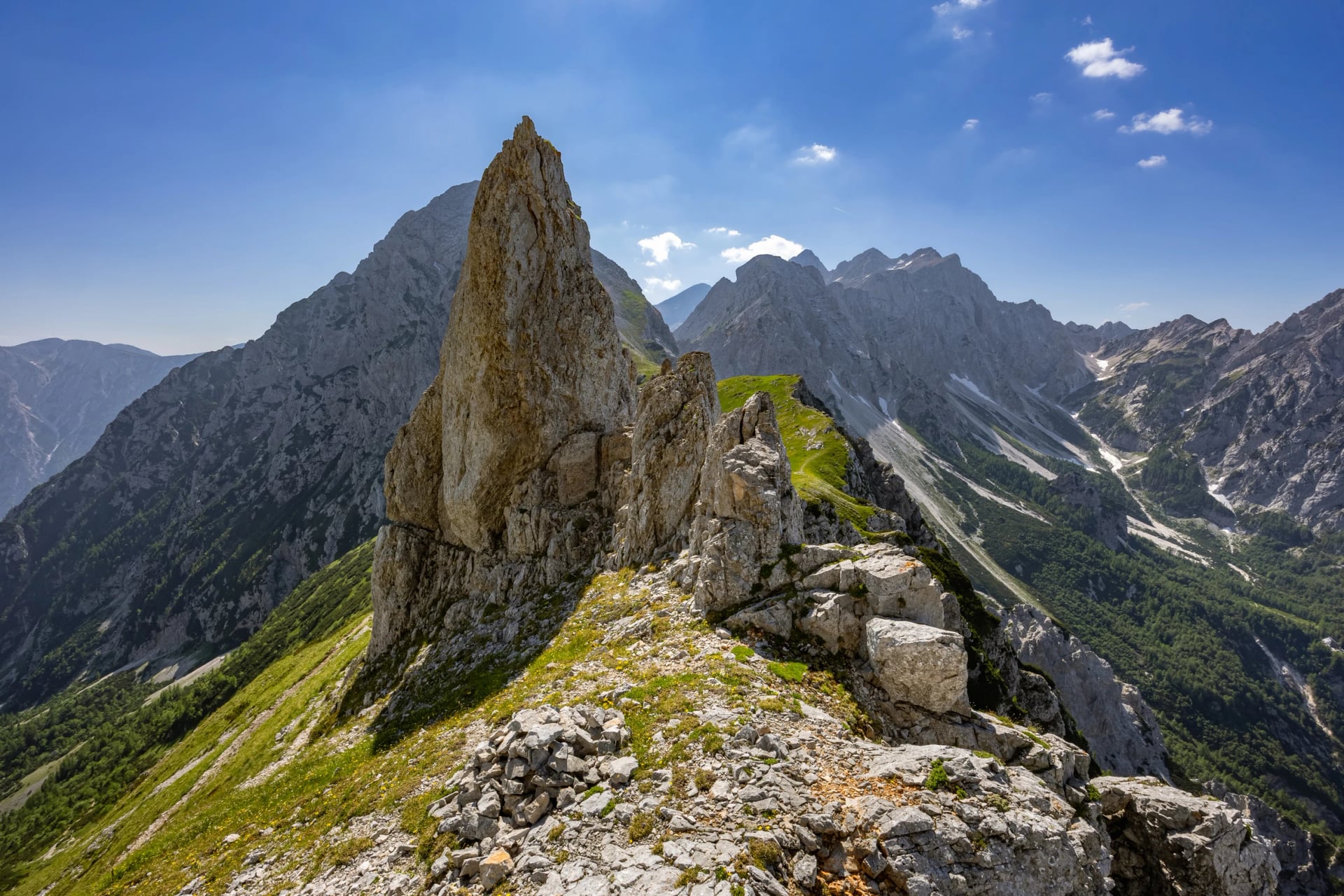
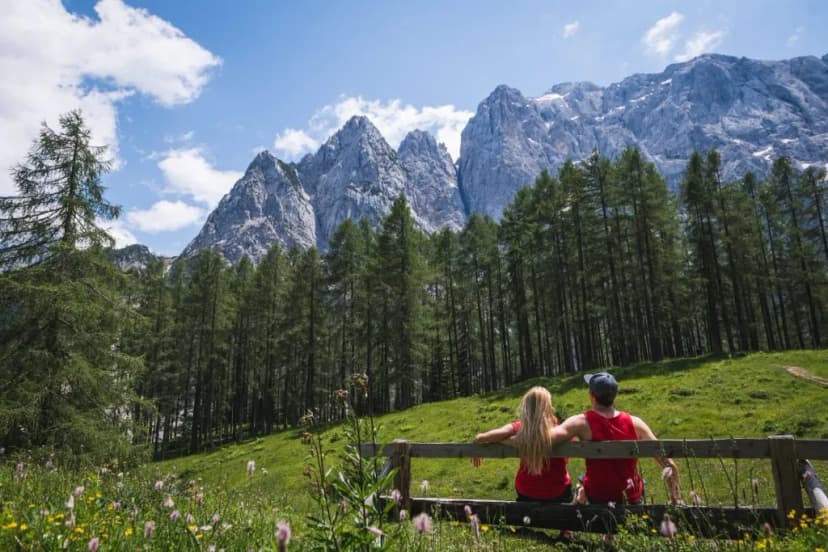
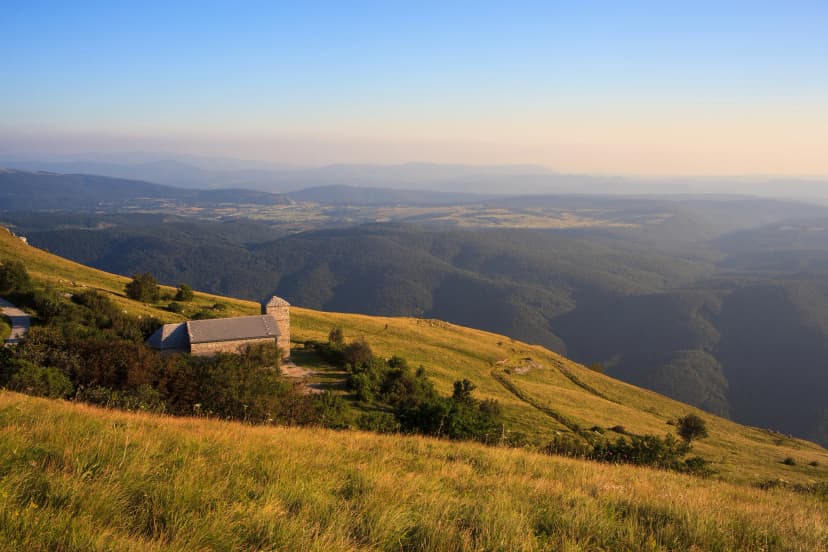
Locals tell you two things about the mountains: start early, and check the calendar. The legendary Vršič Pass — fifty hairpins over the high Alps — only opens late spring to autumn, and the weather up top can flip within the hour.
Get it right, though, and the Julian Alps are extraordinary, most of them folded inside Triglav National Park.
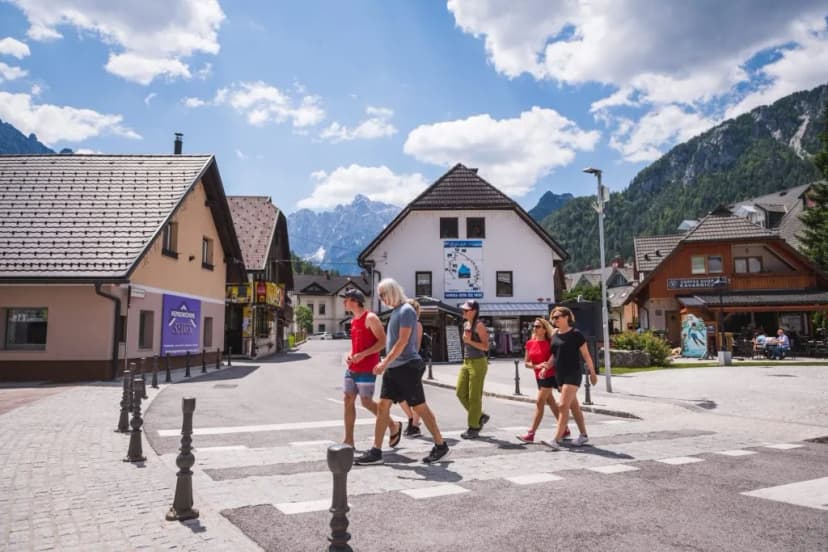
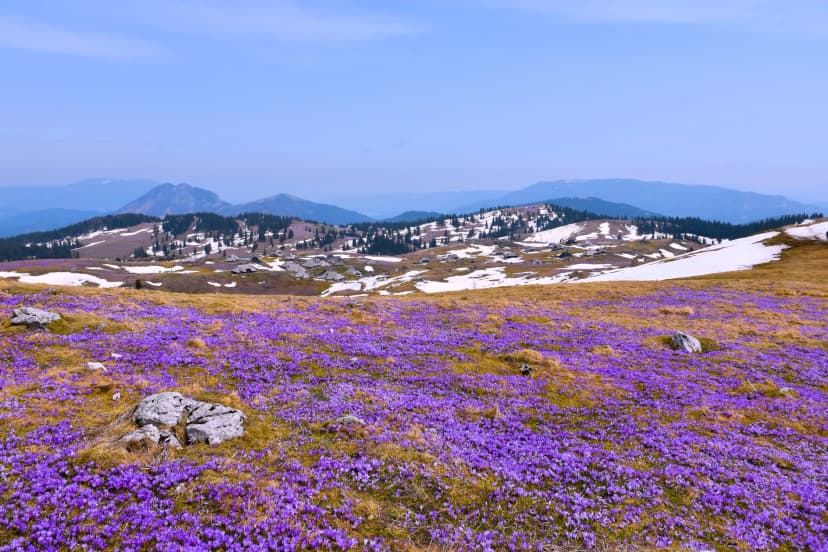
For scenery minus the Bled crowds, aim for serene Lake Bohinj, the spruce-scented Pokljuka plateau, or Velika planina, where shepherds still summer in huddles of wooden huts. Kranjska Gora makes a handy base.
Best Things to See
Take it all in on a private day in the Alps:
5. Soča River Valley
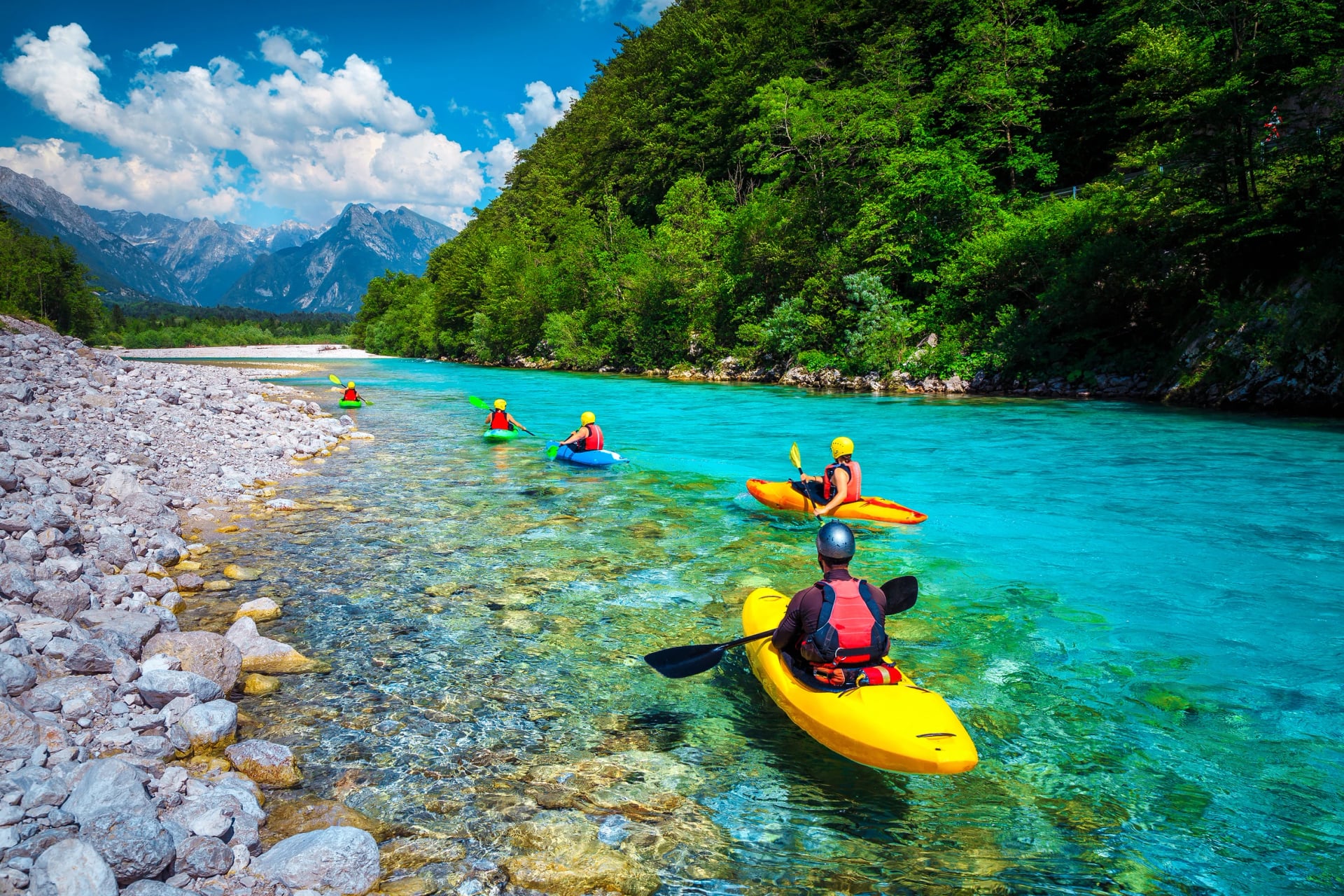
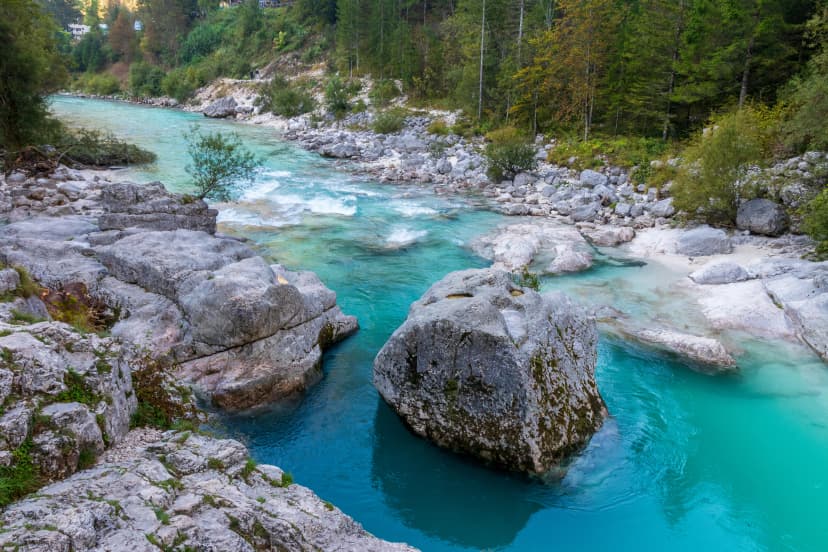
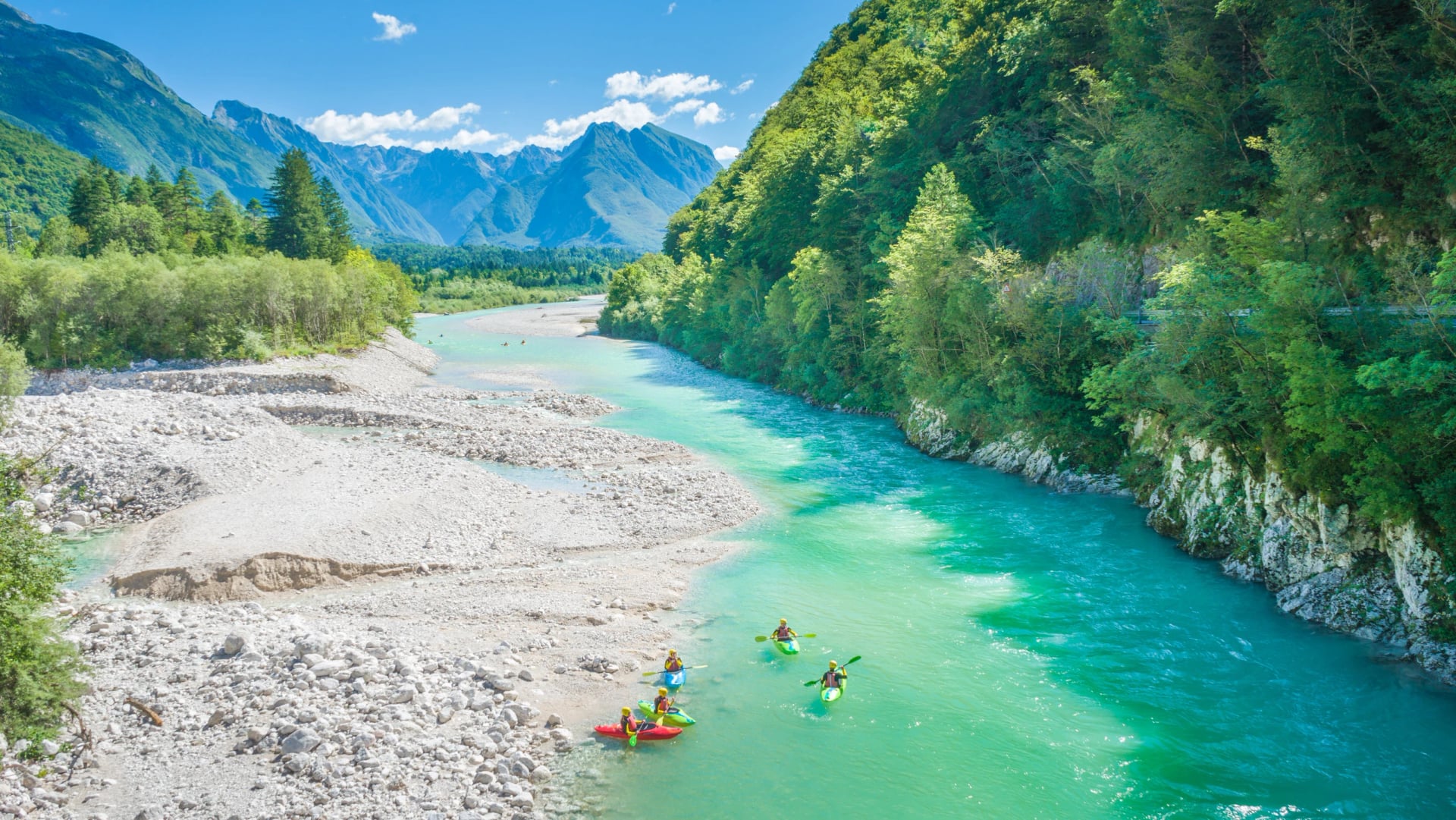
First, the colour. The Soča runs a glacial emerald so intense it looks retouched.
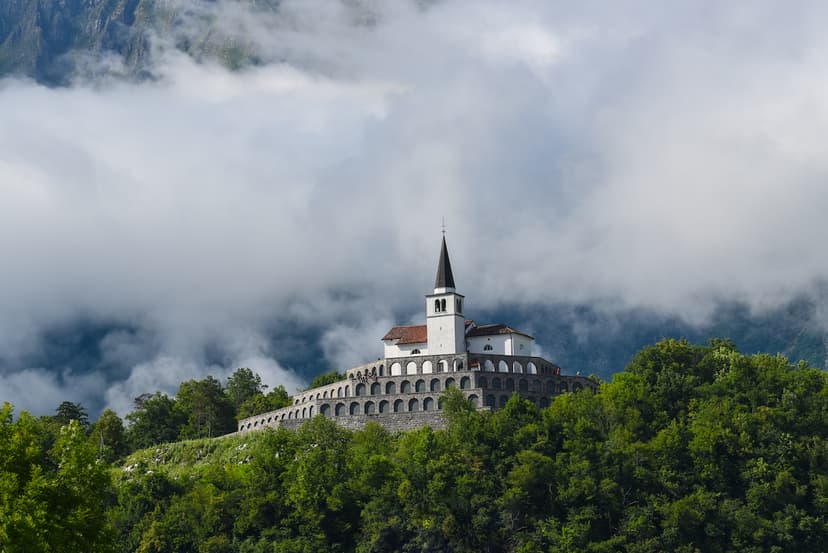
But the valley carries a quieter weight too — a century ago this was one of the First World War’s cruellest fronts, remembered now along the Walk of Peace and at the moving Kobarid museum.
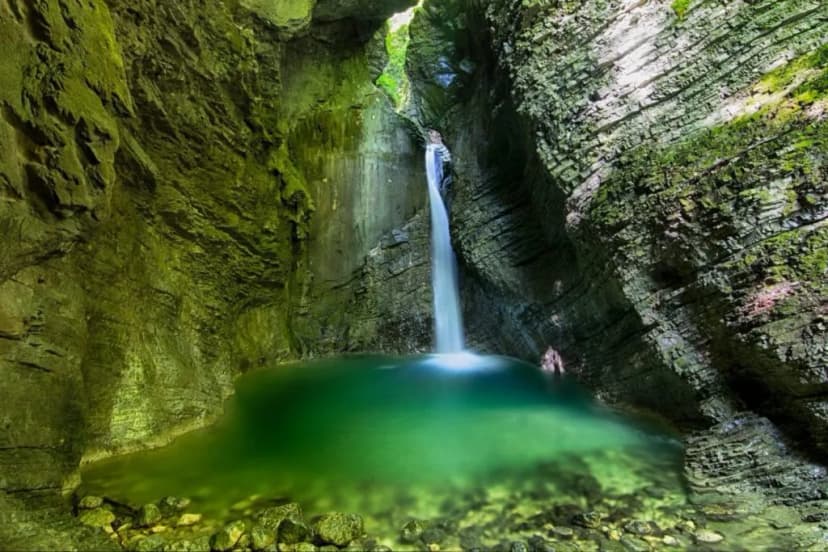
Between the two moods it’s pure adventure, with Bovec as base camp: rafting at its best on late-spring snowmelt, gorges and waterfalls year-round, world-class fly-fishing for marble trout, and fiery, near-empty trails come autumn.
Best Things to See
Chase the emerald river on the Soča Valley tour:
6. Caves & the Karst
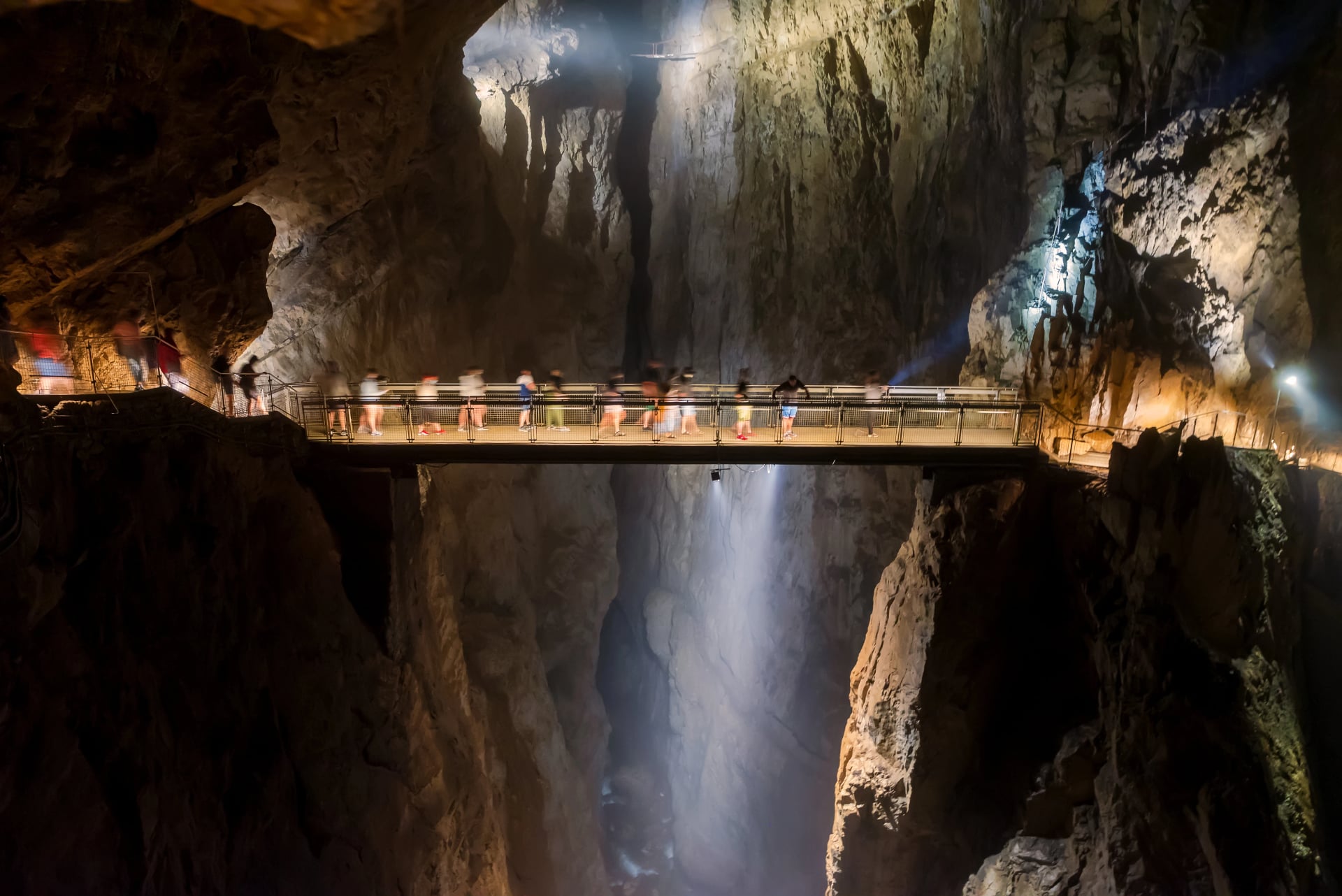
The word karst was born here, in the limestone country southwest of Ljubljana — and beneath it hide more than 10,000 caves. Two are unmissable, and they’re nothing alike.
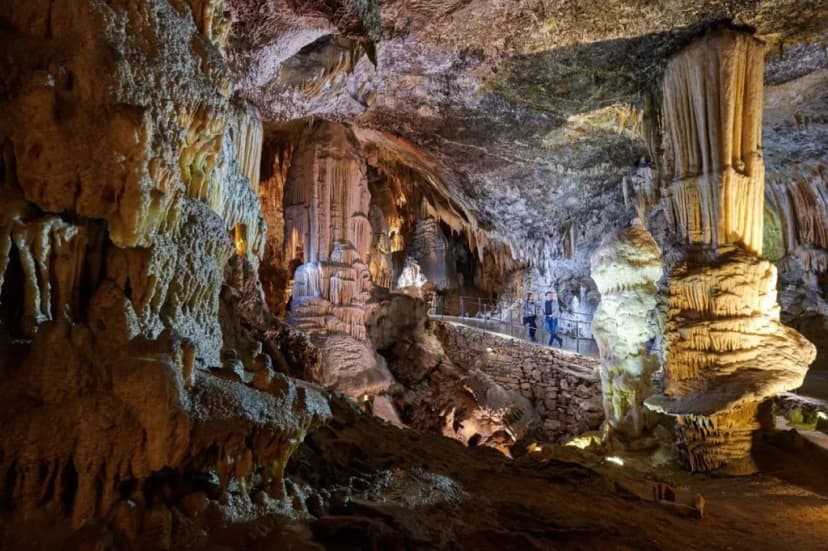
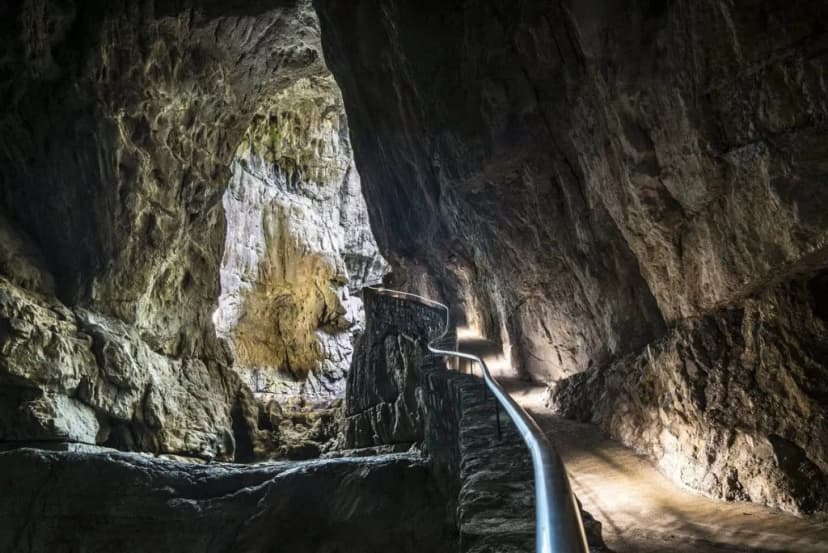
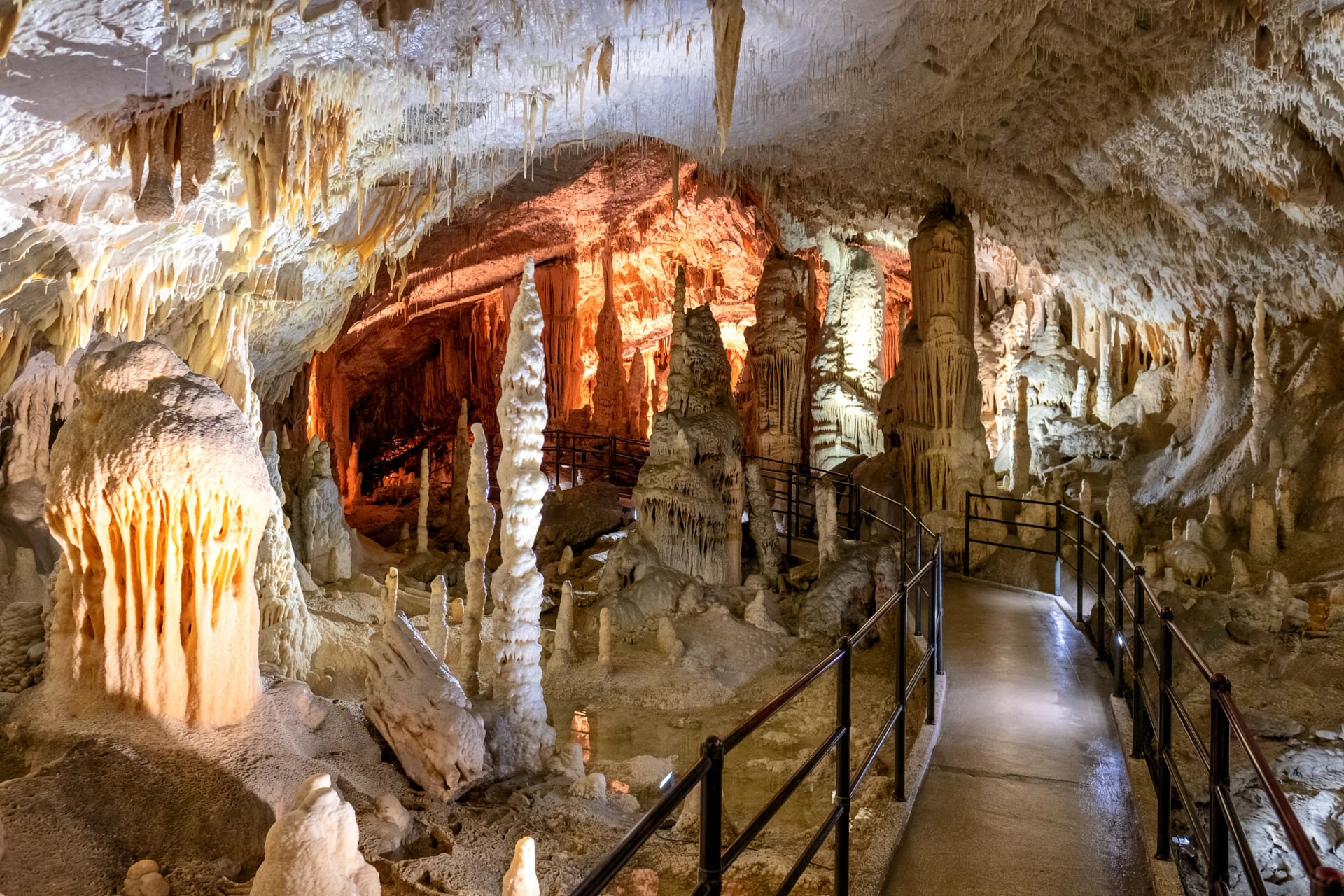
Postojna is theatre: an electric train rattles you deep underground past chandeliers of dripstone, to meet the olm, the blind salamander locals call the baby dragon. Škocjan, UNESCO-listed, is sheer awe — a vast river canyon crossed on bridges not built for the faint of stomach.
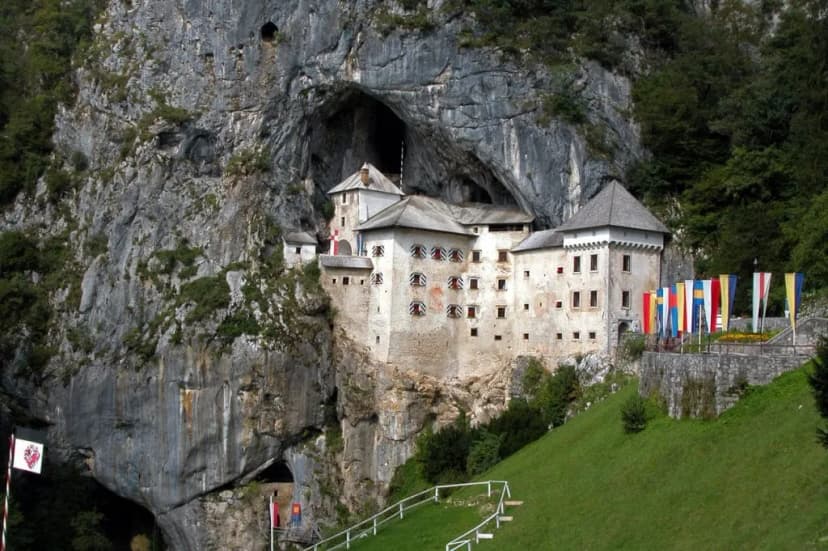
Throw in Predjama, a castle rammed into a cliff, and you’ve a day that ignores the forecast: caves hold a steady 10°C year-round. The white horses of Lipica are right next door. One tip — book Postojna ahead in summer.
Best Things to See
Head underground on our caves & Karst tour:
7. Lipica Stud Farm
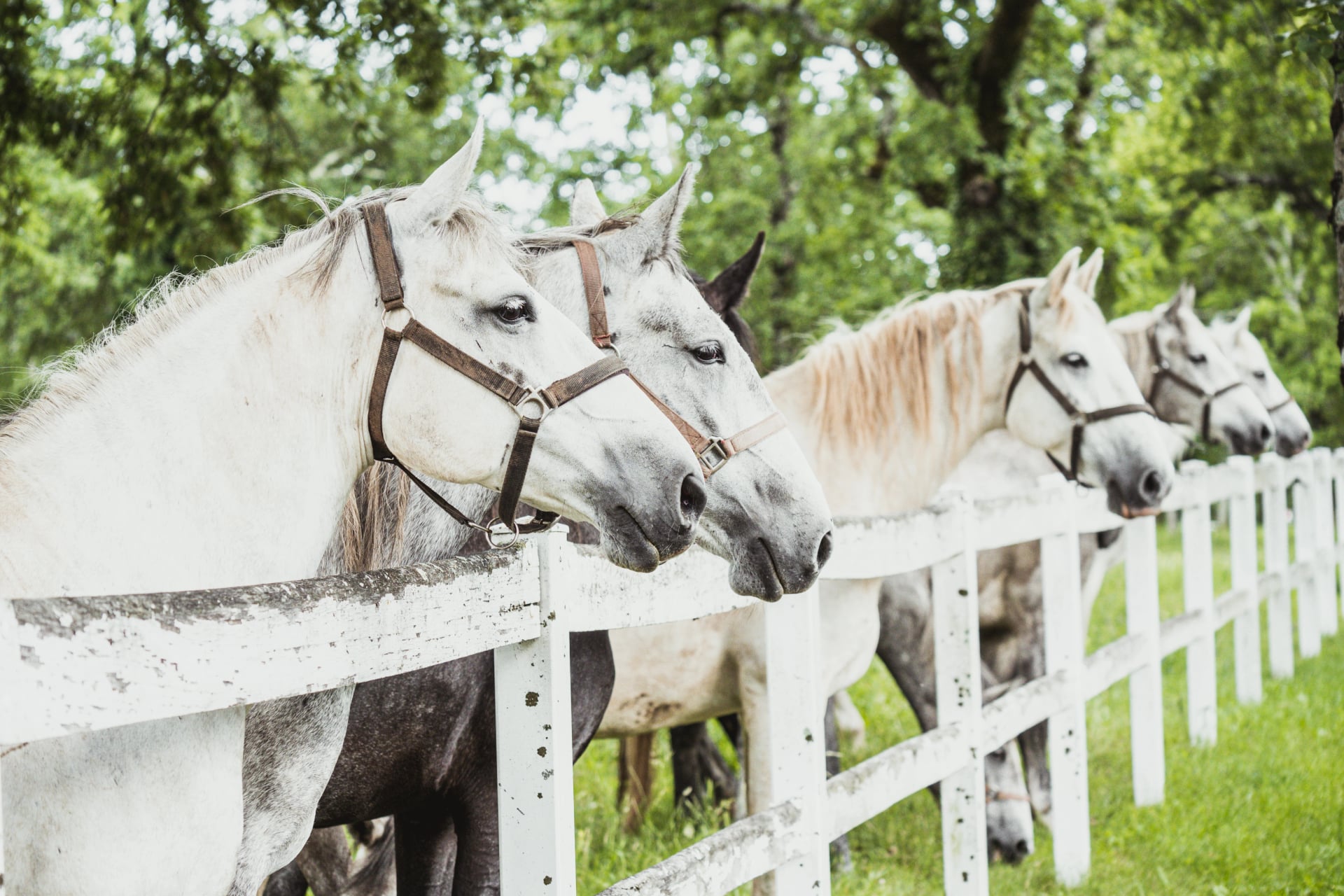
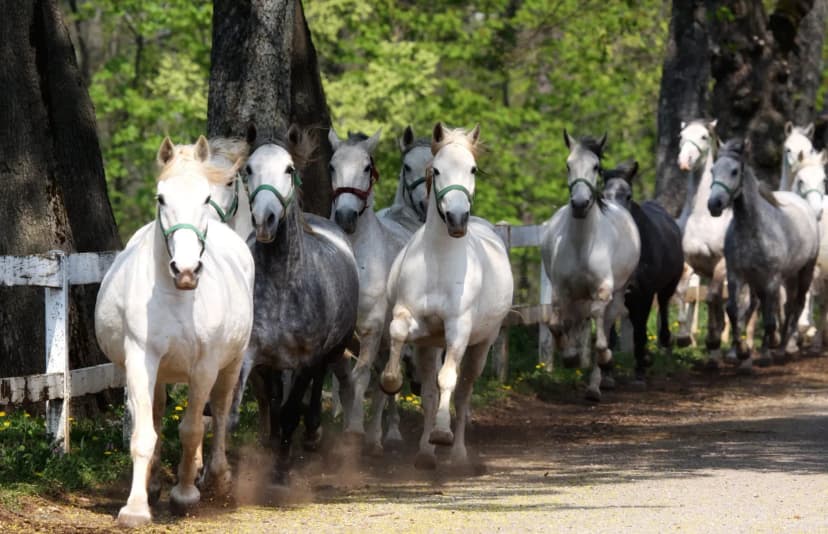
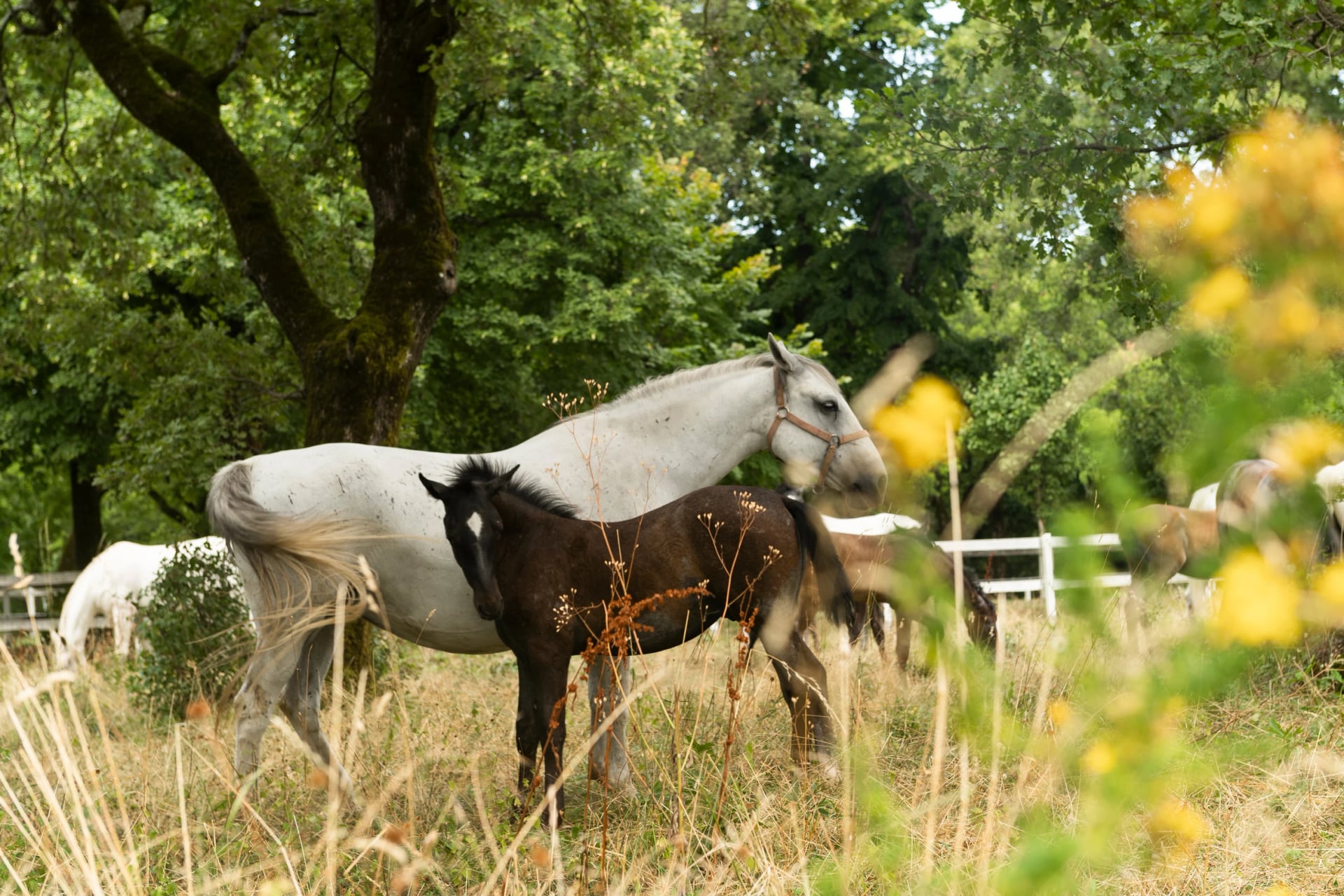
They’re born dark and turn white with age — the famous Lipizzaners, bred at Lipica on this windswept Karst estate since 1580, once for the Habsburg court.
Best Things to See
Around 300 live here today, alongside classical riding displays and carriage rides through old oak groves. Performance days vary, so check the schedule before you go.
Meet the white horses on the Lipica day tour:
8. Vipava Valley
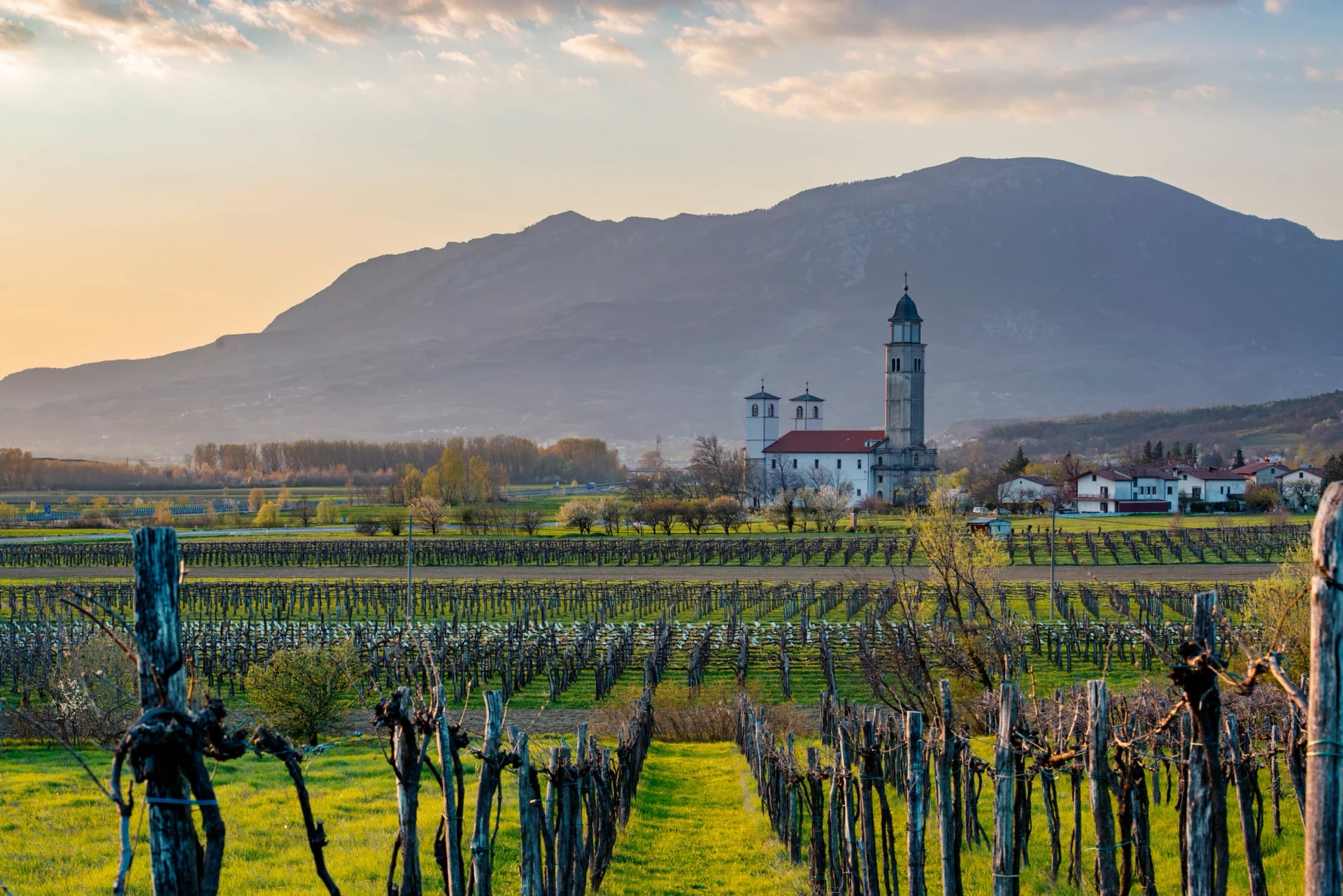
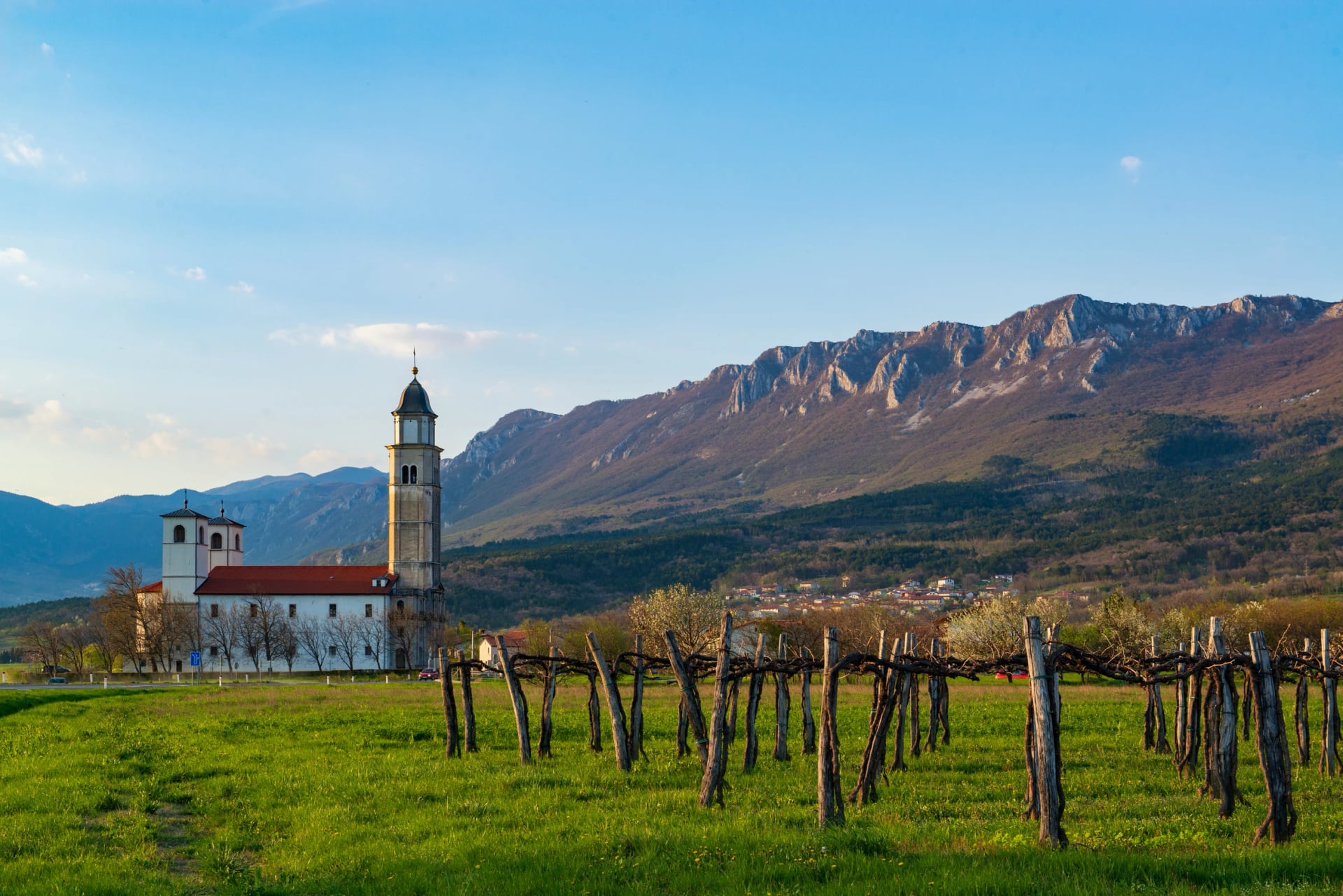
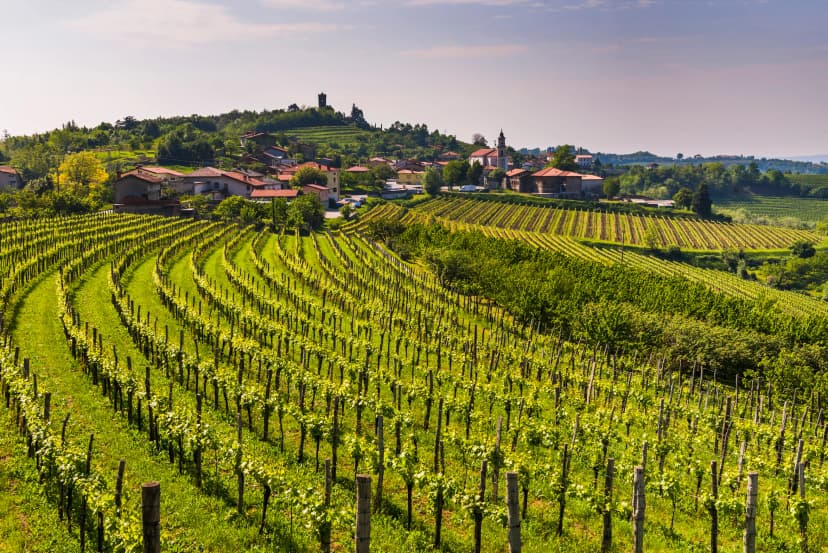
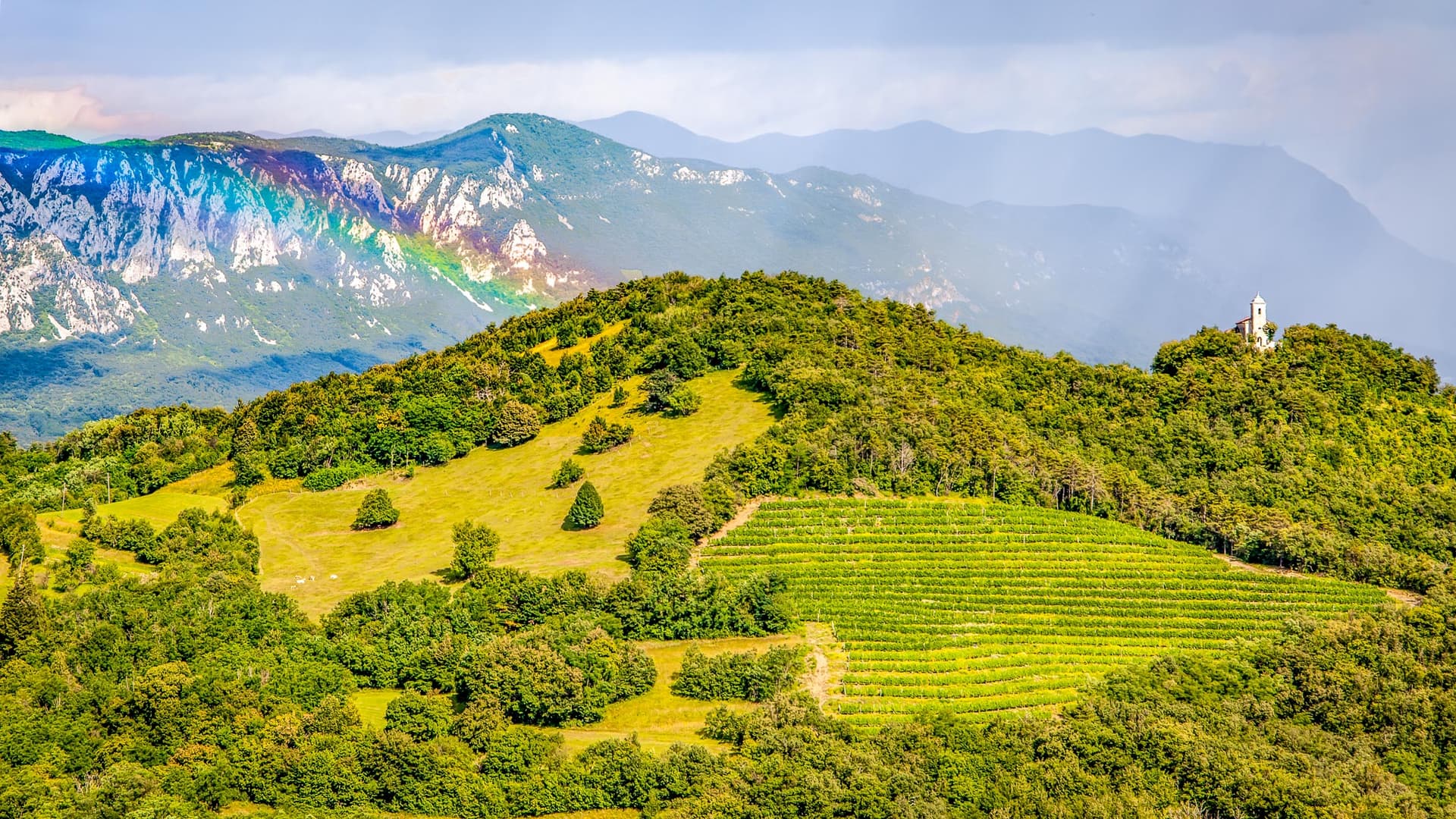
This is where Slovenians go to eat and drink when they want to dodge the tourists. The Vipava Valley shelters under Mt Nanos, raked by the bora — a dry, ferocious wind that shapes everything from the vines to the rooftops.
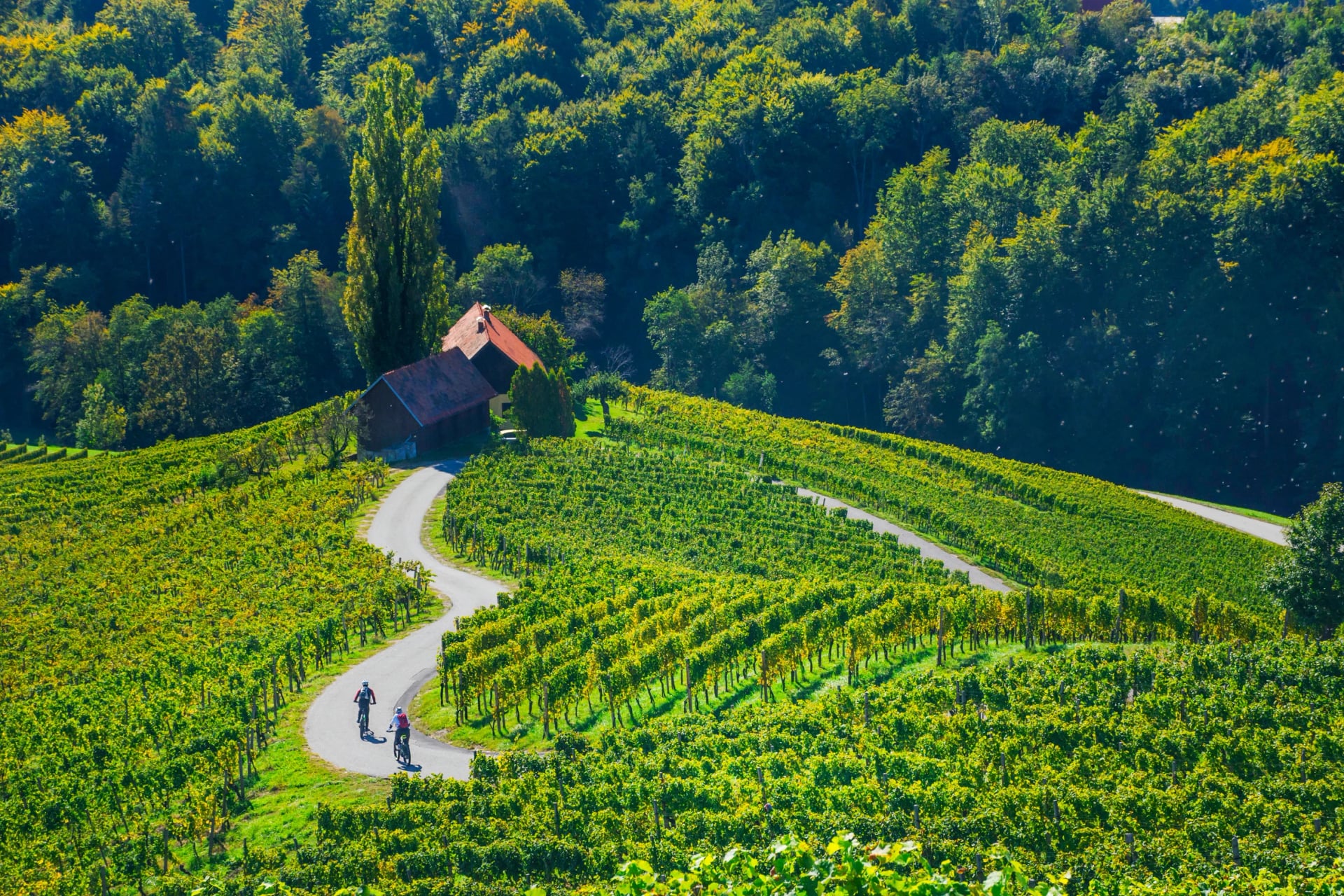
It’s quietly one of the country’s finest wine regions, home to oddball native grapes like Zelen, hauled back from near-extinction by a few stubborn growers.
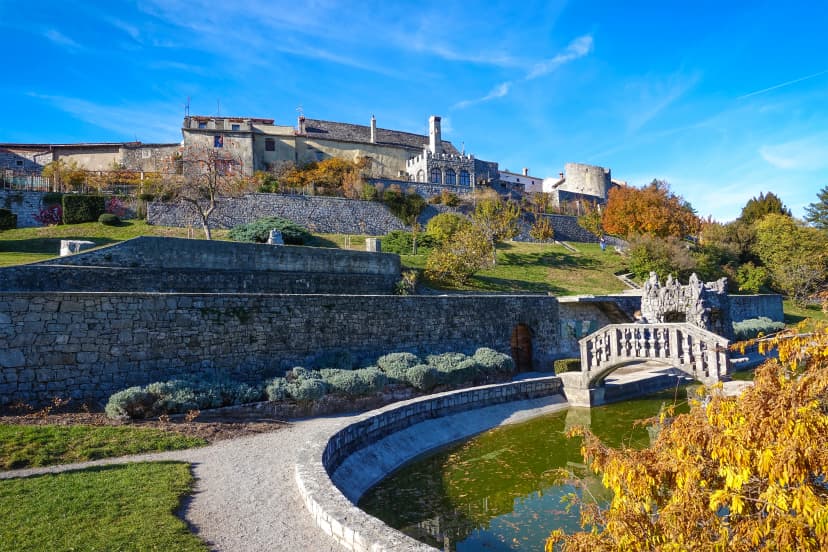
The food keeps pace, and the neighboring hills of Goriška Brda are Slovenia’s answer to Tuscany. Add the stone village of Štanjel and its terraced Ferrari Garden, and the day asks you to slow right down. Come for the autumn harvest, and book the small cellars ahead.
Best Things to See
Taste the valley yourself on the Vipava tour:
9. Slovenia’s Wine Regions
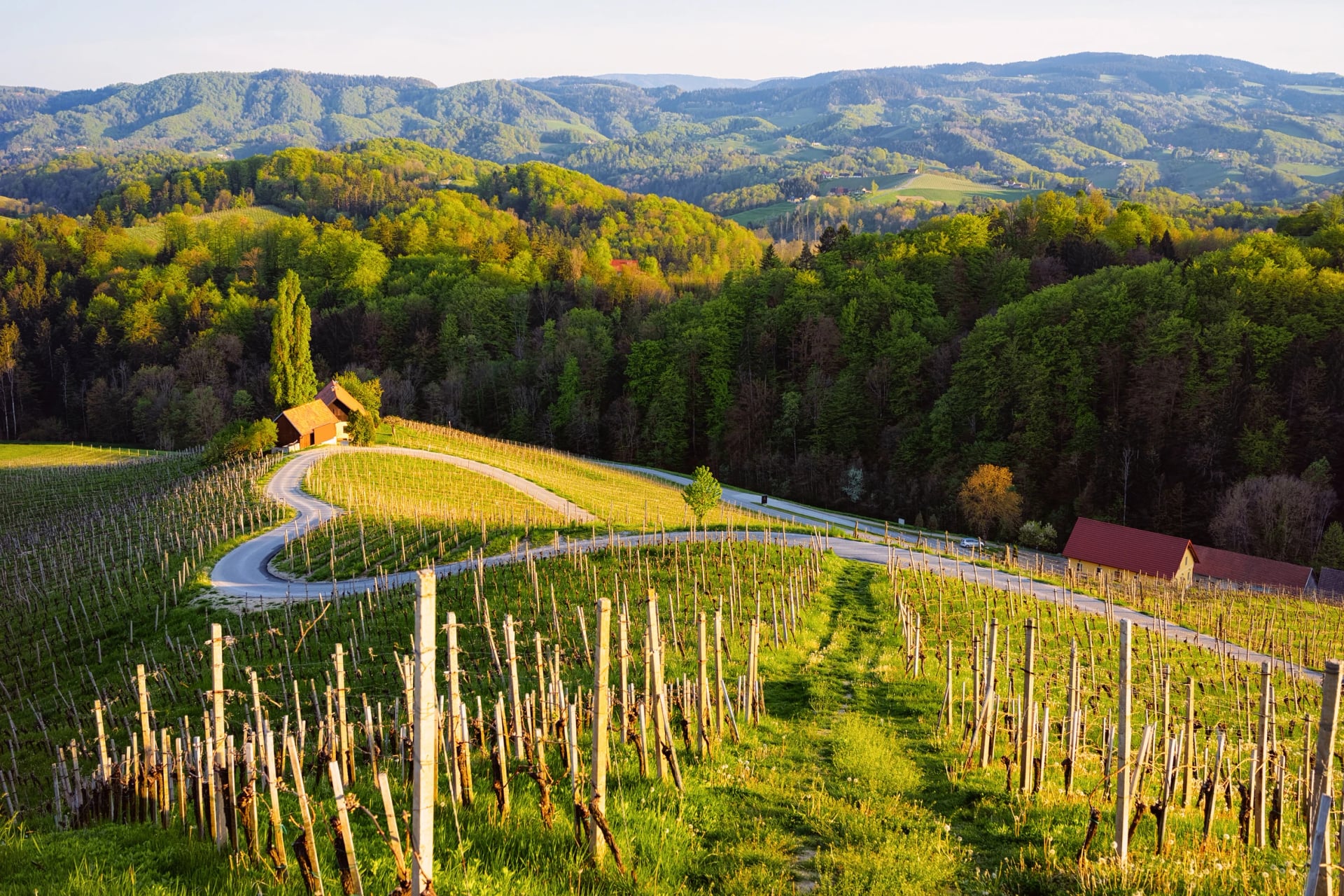
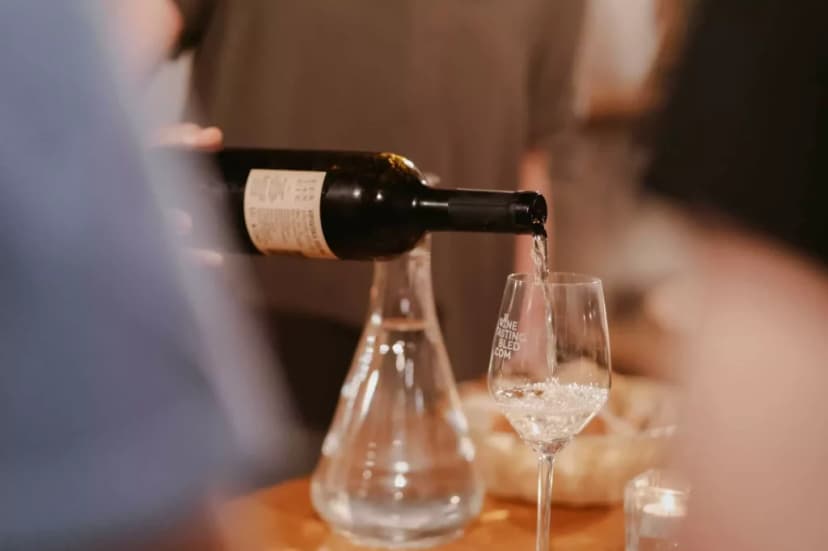
Here’s the catch with Slovenian wine: almost none of it leaves the country, so tasting it is half the reason to come. Build a day around the wine regions.
Three regions split the map — the Mediterranean southwest, the hilly east, the rolling south — pouring indigenous grapes you’ll meet nowhere else, from Brda’s Rebula to the Karst’s Teran, plus some of the world’s best orange and natural wines.
Best Things to See
Best of all it stays personal: more often than not, you’re tasting with the winemaker, in their own cellar, with bread and pršut on the table.
Raise a glass on our Slovenia wine tour:
Getting to Slovenia
By air. The main gateway is Ljubljana Airport (LJU), but some of the best fares fly into nearby Venice, Trieste, Zagreb, Klagenfurt or Graz, all within easy reach. Compare them on Skyscanner — and if you land outside Slovenia, we’ll collect you at the airport and start there.
By sea. Cruise ships dock right on the coast at Koper, a short hop from Piran, the caves and Lipica — ideal for a private shore excursion.
By car. Motorways are fast but require a digital vignette — buy it before you cross the border via the official DARS e-vignette.
By train or bus. Slovenia is well linked to its neighbours; check timetables with Slovenian Railways, Nomago and FlixBus.
Visas
Slovenia is in the EU and the Schengen Area; many nationalities enter visa-free, but check the official requirements before you travel.
Useful Resources
For planning, the official board I Feel Slovenia is superb; check the forecast at ARSO Meteo; and for Ljubljana’s buses, LPP.
Better yet, the best resource of all is your guide — a qualified local showing you their own home country, so anything these links can tell you, they can too, with insider detail no website has. On a private tour the driving, parking and logistics are all handled, and whatever you need to know, you simply ask.
Food & Drink in Slovenia
Slovenian cooking sits right on the crossroads of Alpine, Mediterranean and Central-European kitchens, and it changes every valley you cross.
In the hills, look for potica (a rolled nut cake), štruklji dumplings and the protected Carniolan sausage; on the Karst, air-dried pršut ham and sheep’s cheese; on the coast, fresh Adriatic seafood and Istrian olive oil.
Then there’s the wine — and the coffee culture, and the kremšnita at Bled. Pair it all with a wine-region day, and you’ve got the tastiest reason to come.
Frequently Asked Questions



Plan with a travel expert
Free advice from a team that knows these routes inside out - real people, not a bot
.svg)
Only the Best
Our professional team of locals with vast experience in tourism has cherry-picked the best things to do in Slovenia for all sorts of travellers.
.svg)
Expert Local Guides
Our professional guides know the best places, are great to be around, and will go that extra mile for you.

100% Made in Slovenia
We are based in Slovenia and all of our holidays are of our own design, making the prices and experiences better for you.
.svg)
Trusted by Many
We are a fully bonded and insured travel company, keeping your money safe and with thousands of satisfied customers in the past, we still put you first.